Vancouver West End Residents Endure Cold Apartments Despite Repair Efforts
Residents of a Vancouver West End apartment building are reporting that heating problems persist throughout the complex, despite recent repair attempts by building management. The situation has left tenants, including long-term residents, struggling to maintain adequate warmth as temperatures drop.
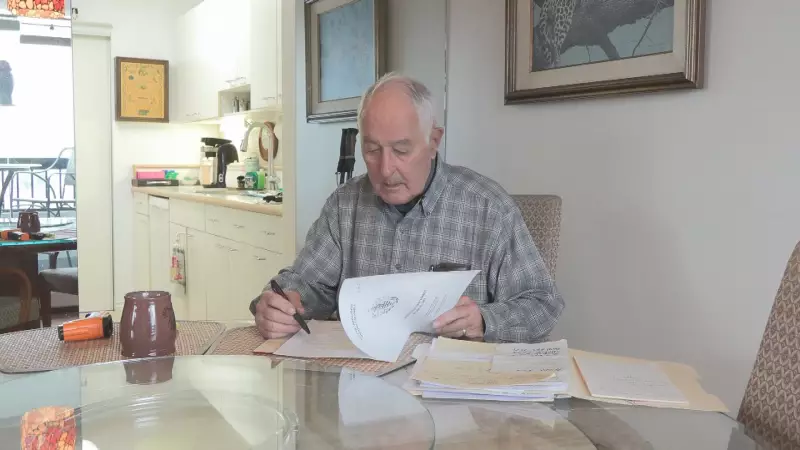
Robert Charlebois, who has called the building home for more than twenty years, told CTV News that his electric heaters are operating below the legal minimum temperature requirements established by British Columbia's residential tenancy regulations. "We're facing the same cold conditions we've complained about for months," Charlebois explained. "The supposed fixes haven't made a real difference in our daily comfort."
Heating Standards and Tenant Rights in British Columbia
Under BC's Residential Tenancy Act, landlords must ensure rental properties maintain a minimum temperature of 22°C between September and June. This requirement is particularly crucial during Vancouver's damp, chilly winter months when inadequate heating can lead to health concerns and discomfort.

Multiple tenants in the West End building have confirmed that their units consistently fall below this legal threshold, despite management's claims of having addressed the heating system issues. The building's age and infrastructure limitations may be contributing factors to the persistent problems.
Ongoing Challenges and Tenant Responses
The heating situation has created significant stress for residents, many of whom are seniors or families with young children. Several tenants have documented temperature readings in their units showing consistent readings between 16-19°C, well below the required standard.
Building management maintains that they have conducted necessary repairs and are working to resolve the remaining issues. However, tenants report that temporary solutions have proven ineffective, and the fundamental heating system requires more comprehensive attention.
The ongoing dispute highlights the challenges renters face when building systems fail and repairs prove insufficient. Tenant advocacy groups recommend that residents experiencing similar issues document all communication with landlords, keep detailed temperature records, and file formal complaints with the Residential Tenancy Branch if problems persist.
As Vancouver continues to grapple with housing affordability and quality concerns, this West End case underscores the importance of maintaining enforceable standards for rental property conditions throughout British Columbia.