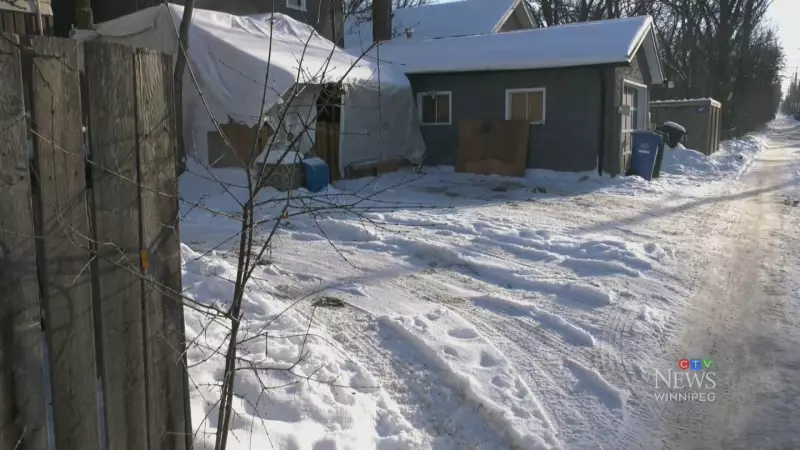
The City of Winnipeg is actively considering regulatory changes that could make it easier for homeowners to construct secondary suites in their back lanes. This potential policy shift, reported on January 9, 2026, aims to address the growing need for diverse and affordable housing options within established neighbourhoods.
What Are Back Lane Suites?
Back lane suites, also known as laneway houses or garden suites, are self-contained residential units typically built at the rear of a property, facing the back lane. They are separate from the main house and offer an innovative way to add density to mature communities without altering their front-facing streetscape. Proponents argue they provide rental income for homeowners and create more affordable rental stock for tenants.
The Current Regulatory Landscape and Proposed Changes
Currently, building a secondary suite in Winnipeg involves navigating a complex set of zoning bylaws, building codes, and permitting processes. The proposed changes, which are gaining ground according to reports, would streamline these regulations. The goal is to remove unnecessary barriers for homeowners who wish to invest in this type of development.

Specific details of the amendments are still under discussion, but they are expected to address key hurdles such as parking requirements, setback rules from property lines, and utility connections. By simplifying these aspects, the city hopes to incentivize construction and make the process more predictable and less costly for applicants.
Potential Impacts on Winnipeg's Housing Market
If adopted, these regulatory adjustments could have a significant impact on Winnipeg's urban fabric. Increased construction of back lane suites would directly add to the city's housing supply, offering more options for small families, students, and seniors looking to downsize. This gentle density supports city goals of sustainable growth and more efficient use of existing infrastructure.
However, the proposal is not without potential concerns. Some residents and community groups may raise questions about increased traffic in alleys, privacy for adjacent properties, and the strain on existing services. The city's planning process will need to carefully balance the benefits of added housing with the character and livability of established neighbourhoods.
The movement to facilitate back lane suite construction represents a pragmatic approach to urban housing challenges. As Winnipeg continues to grow, such incremental density solutions are likely to play a crucial role in shaping a more versatile and resilient housing market for all residents.