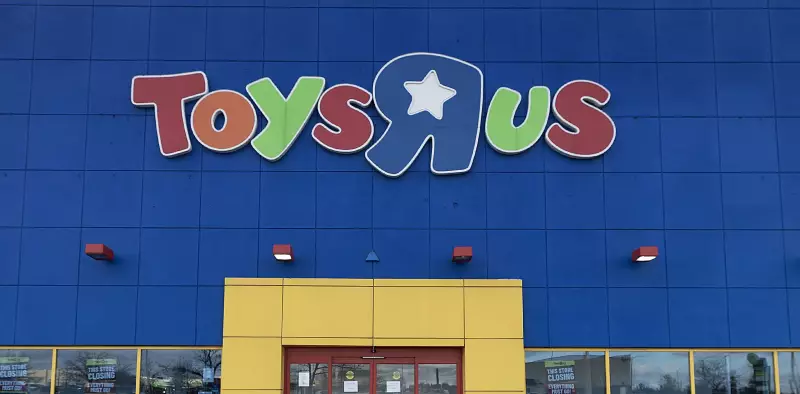
The iconic Toys "R" Us retail chain in Canada is undergoing a dramatic contraction, with new research revealing the company has closed dozens of locations this year and put numerous others up for sale, leaving just a fraction of its former footprint operational.
Massive Store Reduction Across Canada
According to analysis by the Edmonton Journal and Financial Post, Toys "R" Us has closed at least 38 stores across Canada in 2025 alone, with another 12 locations currently listed for sale. This represents a staggering reduction from the 103 stores the chain operated just four years ago after billionaire Doug Putman purchased and expanded the Canadian operations.
The research involved compiling a comprehensive database of Toys "R" Us locations and cross-referencing them with commercial real estate listings nationwide. The findings show that only 40 stores remain open today, meaning the chain now operates fewer than half the locations it did in 2021.

Seven properties are actively on the market with asking prices totaling nearly $121 million, while another five locations are being sold without disclosed prices, suggesting the total real estate value is substantially higher. An additional store in Barrie, Ontario, is available for lease.
Behind the Downsizing
The dramatic shrinkage comes amid significant external pressures, including the growing dominance of retail giants Walmart Inc. and Amazon.com Inc., and recent financial troubles at Putman's family company, Everest Toys, which entered receivership earlier this year.
Putman, who built his reputation revailing struggling retail businesses, had initially expressed ambitious expansion plans when he acquired Toys "R" Us Canada during the pandemic in 2021. At the time, he envisioned growing the brand across North America and potentially into other countries.
However, the current reality appears quite different. The company's corporate headquarters in Vaughan, Ontario, also appears vacant, with the property at 2777 Langstaff Road now available for lease. Ontario's labour ministry confirmed it had been notified of the head office closure and activated its rapid re-employment service, typically used for layoffs affecting 50 or more employees.
Impact on Workers and Communities
The store closures have resulted in significant job losses across the country. In Quebec alone, nine store closures led to 183 people losing their jobs as of September 2025, according to provincial labour department records.
Employment lawyer Lior Samfiru of Samfiru Tumarkin LLP confirmed his firm has been contacted by numerous employees from across Canada who have either lost their jobs or been notified their positions are ending.
"We've been contacted by quite a few employees from across the country, frankly, that have either already lost their jobs or been advised that their job is coming to an end," Samfiru said, noting particular concentration in the Ottawa region and Greater Toronto Area.
The closures represent a blow to generations of Canadians who have childhood memories of visiting Toys "R" Us stores and now return as parents with their own children.
Real Estate Strategy Emerges
Land title records for several of the properties now up for sale—including locations in Calgary, Edmonton, Regina, Kingston, and Kitchener—show the current owners are separate Ontario numbered companies based out of Putman's headquarters in Ancaster, Ontario.
Real estate professionals involved in selling the properties indicate they're being marketed as vacant sites for completely different businesses. Sunil Mall, a Calgary broker overseeing the sale of five Alberta locations, confirmed significant interest from companies attracted by the large lots and prime locations.
"These are valuable sites that they're sitting on," Mall said. "We've got a lot of action. These are beautiful properties; excellent location; wicked exposure."
If none of the new buyers maintain Toys "R" Us as tenants, Alberta would be left with just two locations: one at Cross Iron Mills north of Calgary and another in Red Deer.

Industry Experts Weigh In
Retail analysts point to broader challenges facing brick-and-mortar toy retailers in the current market. Jenna Jacobson, an associate professor at Toronto Metropolitan University and director of the Retail Leadership Institute, noted that Toys "R" Us exemplifies the stresses facing physical retailers today.
"With online stores presenting more options, lower prices, and convenience, some retailers are reducing their footprints, closing underperforming locations and liquidating real estate to free up cash," Jacobson explained.
Doug Stephens, founder of consulting firm Retail Prophet, suggested the chain needs to evolve beyond the traditional warehouse model. "The world really does not need a warehouse toy store. What it does need are stores that have experiences. Stores with opportunities for kids to play."
Despite the significant downsizing, industry observers aren't ready to declare the end of Toys "R" Us in Canada. Jacobson expressed hope that the moves represent "right-sizing" rather than a death knell for the storied retailer, though she acknowledged that "time will tell" whether the strategy will prove successful.