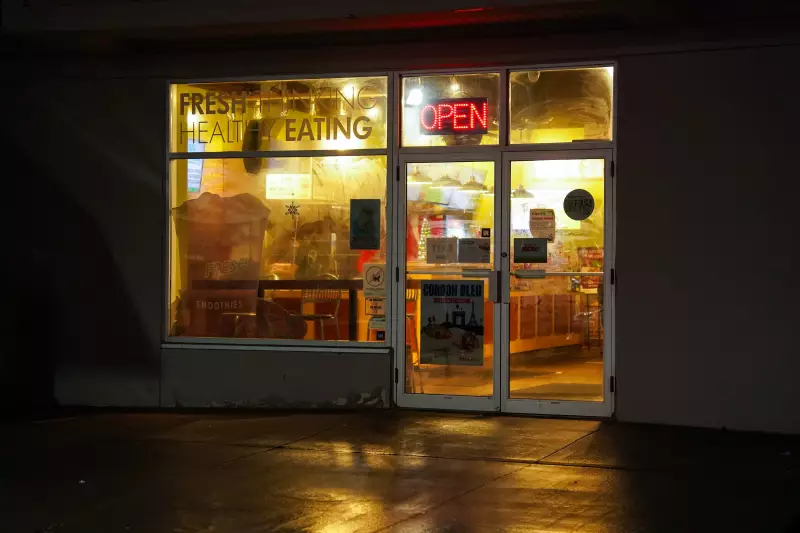
A sobering new forecast predicts a significant wave of closures will sweep through Canada's restaurant industry in the coming year, despite a post-pandemic recovery. According to the report, approximately 4,000 restaurants across the country are expected to go out of business in 2026.
The Post-Pandemic Rebound Meets New Economic Reality
While the sector showed resilience and regained its footing after the challenges of the COVID-19 pandemic, a shift in consumer behaviour now poses a fresh threat. The primary driver behind the anticipated closures is a widespread pullback in discretionary spending. As households across Canada grapple with persistent inflation, higher interest rates, and economic uncertainty, dining out is one of the first expenses many are choosing to rein in.
This trend marks a stark reversal from the pent-up demand that fueled the industry's initial recovery. The forecast, highlighted in a report from January 2026, suggests the financial pressure that has been building on both consumers and business owners is reaching a critical point.

Mounting Pressures on Restaurant Owners
The strain on consumers is translating directly into hardship for restaurant operators. After years of navigating lockdowns, supply chain disruptions, and soaring food costs, many establishments are operating on razor-thin margins. The decline in customer traffic and average spending is pushing a significant number of these businesses, from independent eateries to smaller chains, toward insolvency.
The forecast of 4,000 closures represents a substantial portion of the national restaurant landscape and would have ripple effects throughout local economies. Job losses in the hospitality sector, reduced tax revenue for municipalities, and the loss of community gathering spaces are all potential consequences of such a widespread shakeout.
What This Means for Canada's Food Scene
The predicted closures underscore a fragile period for Canada's culinary and hospitality industry. It highlights the ongoing challenges small and medium-sized businesses face even after a crisis has ostensibly passed. Industry advocates are likely to point to this forecast as evidence of the need for continued support or policy considerations to help stabilize the sector.
For consumers, the landscape of dining options may look noticeably different by the end of 2026, with fewer choices and potentially less diversity on offer. The forecast serves as a clear indicator that the economic environment remains a dominant force shaping the future of Canadian restaurants, demanding adaptation and resilience from those hoping to survive.