In British Columbia, provincial leaders frequently assure small business owners of their support, using the language of partnership and resilience. However, for entrepreneurs along Vancouver's Broadway corridor, enduring the prolonged upheaval of the Broadway Subway project, those assurances have begun to sound empty. The gap between political promises and tangible action has never been wider or more damaging.
A Crisis of Survival on Broadway
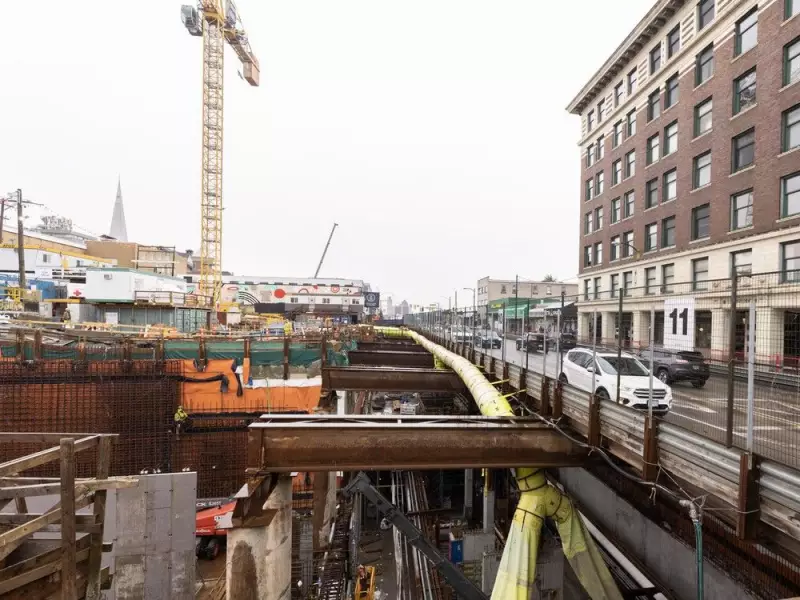
The situation has reached a critical point in the Mount Pleasant Business Improvement Area, where owners are confronting the most severe economic crisis of the entire multi-year construction project. After five years of relentless disruption, a new phase of extreme hardship is beginning. Starting January 26, 2026, Broadway will be fully closed between Main and Quebec streets for four months. This will be followed by many more months of severely restricted access, compounding a project delay that now stretches to nearly two years.
The consequences are stark and immediate. Business vacancies are climbing, while revenues have fallen sharply. Many operators are already at or below break-even, transforming long-term planning into a desperate week-to-week calculation for survival. The economic fabric of the corridor is fraying under the strain.

An Emergency Plea Met With Silence
In December 2025, an emergency town hall was convened to give these struggling business owners a direct line to the provincial government. The expectation was simple: that officials would attend, listen, and engage with the community bearing the brunt of a public infrastructure project.
No one from the province showed up.
Not Transportation and Transit Minister Mike Farnworth, whose ministry holds authority over the closure and the responsibility to mitigate its impacts. Not a single minister, MLA, or provincial representative attended to hear the firsthand accounts of the crisis. Following the meeting, formal correspondence was sent to Minister Farnworth's office requesting an urgent meeting. To date, there has been no response—no meeting, no phone call, not even an acknowledgement.
The Human Cost of Inaction
Had government officials been present, they would have heard raw, personal stories of financial devastation, not abstract complaints. Business owners described selling their family homes to inject capital into their struggling enterprises just to keep the doors open. Others have taken on second and third jobs to cover basic expenses like commercial rent and employee payroll.
Perhaps most telling were the long-time operators, pillars of the community, who broke down in tears admitting they have no idea how to withstand another prolonged shutdown. The provincial government has acknowledged the "unprecedented disruption" caused by the project, but business owners report that meaningful mitigation support has simply failed to materialize.
The repeated message from the government—"we have your back"—now rings hollow for those who have waited years for action. As the Broadway Subway project continues, the survival of the very small businesses that give the corridor its vitality hangs in the balance, caught between construction barriers and bureaucratic silence.