Shipping Collapse in Strategic Waterway
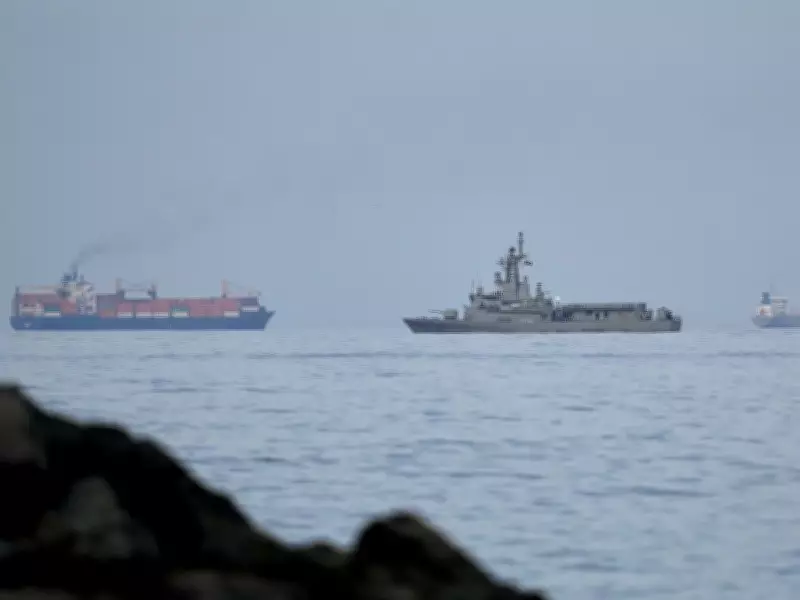
The Strait of Hormuz, a crucial 167-kilometre (104-mile) maritime passage connecting the Persian Gulf with the Gulf of Oman, has experienced a dramatic reduction in commercial traffic since the outbreak of Middle East hostilities. According to shipping analytics firm Kpler, commodity carriers made just 116 crossings between March 1 and 19, representing a staggering 95 percent decrease from normal peacetime volumes.
Iranian Dominance in Diminished Traffic
Most vessels navigating the strait since the conflict began are owned or flagged in Iran, with Greek ships accounting for 18 percent of crossings and Chinese vessels representing 10 percent in recent days. Bridget Diakun, an analyst at Lloyd's List Intelligence, confirmed this distribution during a briefing on Thursday, March 19, 2026.
Richard Meade, editor of leading shipping intelligence journal Lloyd's List, noted that while traffic "is being led mostly by bulk carriers, tankers and container ships," there has been "a bit of an uptick in gas carriers moving over the last week."

Sanctioned Vessels and Shadow Fleet Activity
An AFP analysis of passage data reveals that more than a third of ships transiting the strait since the conflict began were under sanctions imposed by the United States, European Union, or United Kingdom. Among oil and gas tankers, this figure rises to more than half operating under sanctions.
Diakun observed that since March 16, "anything heading westbound has been shadow fleet, gas carriers or tankers... they absolutely dominate the traffic going through."
Commodity Flow and Destination Patterns
Of the 116 crossings recorded, 71 were by oil tankers, with more than half loaded and most traveling eastward out of the strait. JPMorgan analysts reported in a Monday briefing that most oil passing through the waterway was destined for Asian markets, principally China.
The bank's analysis indicated that 98 percent of observable oil traffic through the strait was Iranian, averaging 1.3 million barrels per day in early March. This represents a significant portion of global energy supplies, as approximately one-fifth of the world's oil and liquefied natural gas typically passes through the Strait of Hormuz during peacetime.
Regional Navigation and Security Concerns
Marine consultancy Clarksons noted in an advisory that "there are indications that some ships are transiting under Iranian 'approval', with some vessels following a route through the Strait closer to the Iranian coastline than normal." This includes Indian and Pakistani vessels navigating the contested waters.
Cichen Shen, Asia Pacific editor at Lloyd's List, reported indications that Chinese authorities were developing "some sort of exit plan" for their large tankers stranded in the region following the blockade.
The dramatic reduction in shipping through this vital chokepoint underscores the profound economic and security implications of the Middle East conflict, with global energy markets and trade routes experiencing unprecedented disruption.