Bitcoin Plunges 8%, Asian Stocks Slip Following Tech-Led Wall Street Selloff
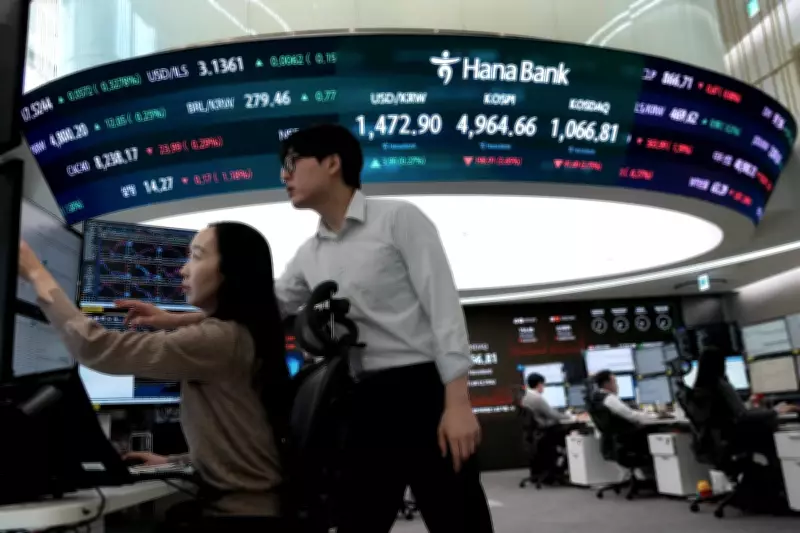
Global financial markets experienced a turbulent session as Bitcoin plummeted by 8% and Asian shares mostly retreated. This downturn followed a substantial selloff on Wall Street, where technology stocks bore the brunt of investor pessimism, triggering a ripple effect across international exchanges.
Wall Street Tech Rout Sparks Global Market Anxiety
The decline was precipitated by significant losses in the U.S. technology sector, which has been a key driver of market performance in recent years. Investors reacted to a combination of factors, including concerns over valuations, shifting monetary policy expectations, and broader economic uncertainties. This risk-off sentiment quickly spread to other asset classes and regions.
In Asia, major indices reflected the cautious mood. Markets in Japan, South Korea, and Hong Kong saw notable declines, although some exchanges showed mixed results. The selloff underscored the interconnected nature of modern global finance, where developments in one major economy can rapidly influence trading patterns worldwide.

Cryptocurrency Market Volatility Intensifies
Bitcoin's sharp 8% drop highlighted the ongoing volatility within the cryptocurrency space. As a digital asset often viewed as a barometer for risk appetite, its decline mirrored the broader retreat from speculative investments. Analysts noted that the correlation between traditional tech stocks and cryptocurrencies has increased in recent periods, amplifying market movements.
The simultaneous downturn in both equity and digital asset markets suggests that investors are reassessing their exposure to growth-oriented and high-risk investments. This recalibration comes amid a complex backdrop of geopolitical tensions, inflationary pressures, and evolving regulatory landscapes for both technology firms and digital currencies.
Broader Economic Context and Future Outlook
Market participants are closely monitoring several key indicators that could influence future trends:
- Monetary Policy: Central bank decisions regarding interest rates and quantitative tightening remain a primary focus for investors globally.
- Corporate Earnings: Upcoming financial reports from major technology companies will provide crucial insights into sector health and profitability.
- Geopolitical Factors: International trade dynamics and political developments continue to inject uncertainty into market forecasts.
While short-term volatility is expected to persist, many analysts emphasize the importance of a long-term perspective. Historical data indicates that market corrections are a normal part of economic cycles, though they can create significant challenges for traders and portfolio managers in the immediate term.
The current market environment serves as a reminder of the inherent risks in financial investing. Diversification and risk management strategies are becoming increasingly important as investors navigate these uncertain conditions across both traditional and emerging asset classes.