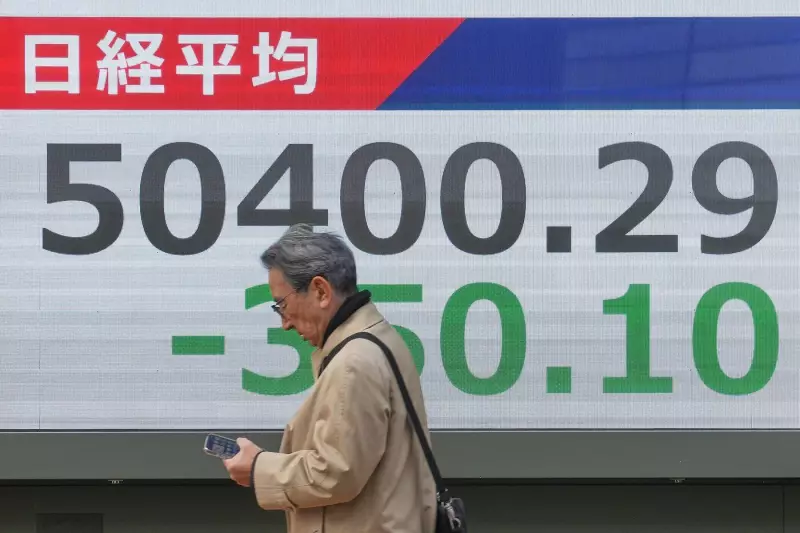
Stock markets across the Asia-Pacific region trended lower on Monday, December 29, 2025, in a quiet session marked by reduced holiday trading volumes. The subdued activity was overshadowed by geopolitical concerns after China staged military drills in the vicinity of Taiwan.
Geopolitical Tensions Weigh on Sentiment
The primary factor pressuring markets was the announcement of Chinese military exercises near Taiwan. These war drills, a recurring source of regional tension, introduced a note of caution for investors navigating the typically thin trading period between Christmas and the New Year. The exercises serve as a reminder of the persistent geopolitical risks that can swiftly impact market stability, particularly in Asia.
A Quiet Trading Session
Market activity was notably light, as is common during the final week of the year. Many major financial centers were operating with skeleton staffs, leading to lower liquidity and potentially amplified price movements. The Nikkei index in Tokyo was among the markets observed during the session, as traders globally monitored the Asian response to the developments.

The overall downward trend reflected a risk-off mood among the limited pool of active participants. Without significant corporate or economic data to drive direction, the geopolitical headline from the Taiwan Strait became the dominant focus, prompting a defensive stance.
Broader Context and Outlook
While the day's movement was muted, the event underscores the sensitivity of global markets to friction between China and Taiwan. Investors are likely to keep a close watch on any escalation in rhetoric or military posturing in the region as the new year approaches. The quiet holiday period often magnifies the impact of such news due to lower trading volumes, which can result in heightened volatility.
Analysts suggest that while the year-end trading is unlikely to see major shifts, the incident may set a cautious tone for the opening of markets in 2026, especially for sectors and companies with significant exposure to cross-strait trade and supply chains. The focus now turns to whether the drills conclude as planned or lead to further diplomatic and military responses.