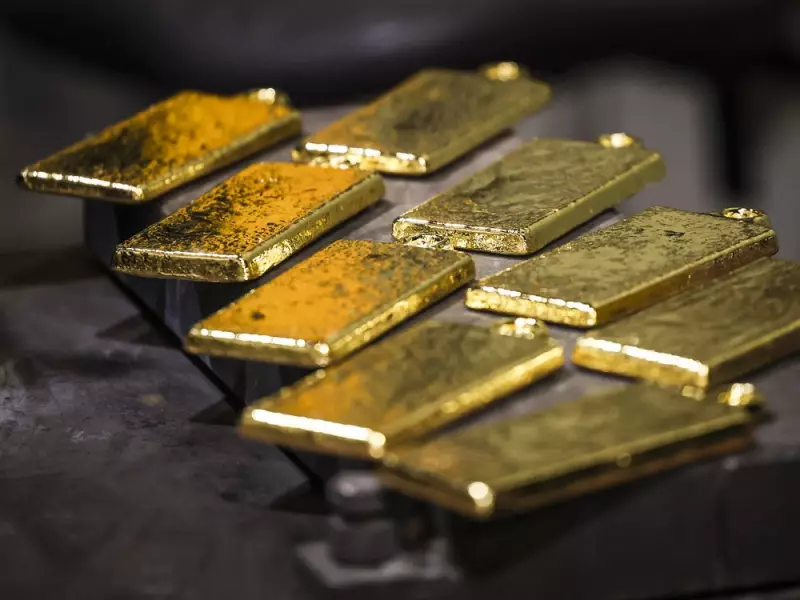
Precious metals markets experienced a significant sell-off on Wednesday, January 7, 2026, extending a period of extreme volatility. Silver and platinum led the declines, with gold also moving lower, as traders grappled with a confluence of factors including major commodity index re-weightings, physical market tightness, and the looming threat of new U.S. tariffs.
Sharp Declines Amidst a Turbulent Market
Spot platinum plummeted as much as 7.7% during the trading session, while silver tumbled up to 5.7%. Despite the day's sharp losses, both metals remain in positive territory for the month of January so far. This volatility follows a spectacular rally in late December, where silver powered to a record high above US$84 an ounce.
Gold, which is coming off its strongest annual performance since 1979, also declined. The yellow metal's record-breaking run in 2025 was fueled by robust central-bank purchases and significant inflows into bullion-backed exchange-traded funds (ETFs). Silver's annual surge was even more dramatic, with prices climbing nearly 150% last year.

Key Drivers of the Sell-Off
Analysts point to several immediate pressures on prices. A primary factor is the ongoing re-weighting of two major commodity indexes, which began this week. Citigroup Inc. has estimated this rebalancing could trigger outflows of approximately US$6.8 billion from gold futures contracts and a similar amount from silver. This mechanical selling from funds tracking the indexes is creating substantial downward pressure.
Simultaneously, physical supply in key trading hubs is constrained. In the London market, a dominant spot-trading center, supplies of both silver and platinum have tightened. This follows significant shipments to the United States last year, driven by fears of potential import tariffs.
"You now have a lack of liquidity that means that anyone who wants to come into the market really has to pay up for that," said Michael Widmer, head of metals research at Bank of America Corp., in an interview with Bloomberg Television. He attributed the excessive volatility in part to speculative activity.
Broader Economic and Geopolitical Backdrop
Traders are also monitoring a lineup of U.S. economic data, including the crucial December jobs report due on Friday. A recent weaker-than-expected manufacturing activity gauge has bolstered market hopes that the Federal Reserve will implement further interest rate cuts in 2026. Precious metals, which do not yield interest, typically benefit from a lower rate environment.
Adding to this expectation, Fed Governor Stephen Miran indicated the central bank may need to cut rates by more than a full percentage point in 2026. This follows three successive rate cuts in 2025, which acted as a tailwind for metal prices.
Geopolitical tensions continue to simmer in the background, supporting the long-term haven appeal of assets like gold. Recent events include the seizure of Venezuela's president, the White House's refusal to rule out military action regarding Greenland, and China's imposition of export controls on materials with potential military use to Japan.
As of 3:07 p.m. London time on Wednesday, spot silver was trading at US$77.318 an ounce. Spot gold stood at US$4,441.26 an ounce, and platinum was at US$2,288.15 an ounce. The market remains on edge, balancing near-term technical and fundamental headwinds against a supportive macroeconomic and geopolitical landscape for precious metals.