As the 2025 trading year drew to a close, the Tokyo Stock Exchange presented a mixed picture for investors. The final session on Tuesday, December 30, saw share prices diverge across sectors, capping a year of significant volatility for Japanese markets.
Ceremonial Close for the Year
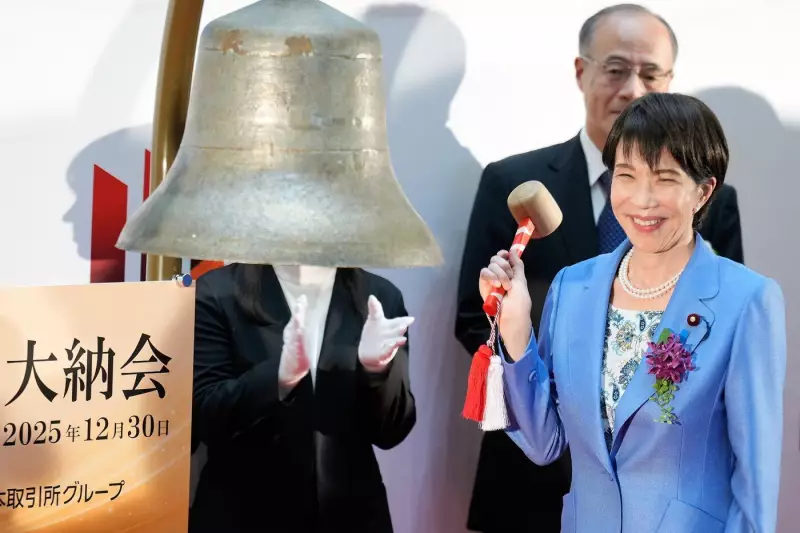
The day was marked by tradition as Japan's Prime Minister Sanae Takaichi participated in the ceremonial ringing of the bell. The event, held at the exchange in Tokyo, formally concluded trading activities for the calendar year. Photographs from the ceremony show Prime Minister Takaichi posing before performing the symbolic act that signals the market's closure.
A Year-End Snapshot of Market Performance
While specific index points were not detailed in the initial report, the characterization of shares as "mixed" indicates a lack of clear directional momentum on the final day. This pattern often reflects investors balancing year-end portfolio adjustments, profit-taking, and positioning for the new year amidst global economic uncertainties.

The performance on December 30, 2025, serves as the closing chapter for a trading year that witnessed various pressures, including international trade dynamics, currency fluctuations affecting export-heavy Japanese firms, and domestic policy shifts. The bell-ringing ceremony, a longstanding tradition, provides a moment of reflection before the market's annual reset.
Context and Looking Ahead
The mixed closing aligns with broader patterns often seen in global markets during the final stretch of the year, characterized by thinner trading volumes and cautious sentiment. All eyes will now turn to the first trading session of 2026, where investors will gauge initial sentiment and set new trajectories based on emerging economic data and corporate forecasts.
The event in Tokyo underscores the symbolic and practical importance of stock exchanges as barometers of national economic health. Prime Minister Takaichi's presence at the ceremony highlights the government's attention to financial market stability as a key component of Japan's economic policy.