U.S. Stocks Stabilize as Wall Street Awaits Clarity on Iran Conflict Duration
Wall Street demonstrated a steadier performance on Monday as investors adopted a wait-and-see approach, closely monitoring geopolitical developments in the Middle East. The financial markets are holding their breath for the next significant signal regarding how long the ongoing conflict involving Iran may persist, which could have profound implications for global economic stability.
Market Sentiment Amid Geopolitical Tensions
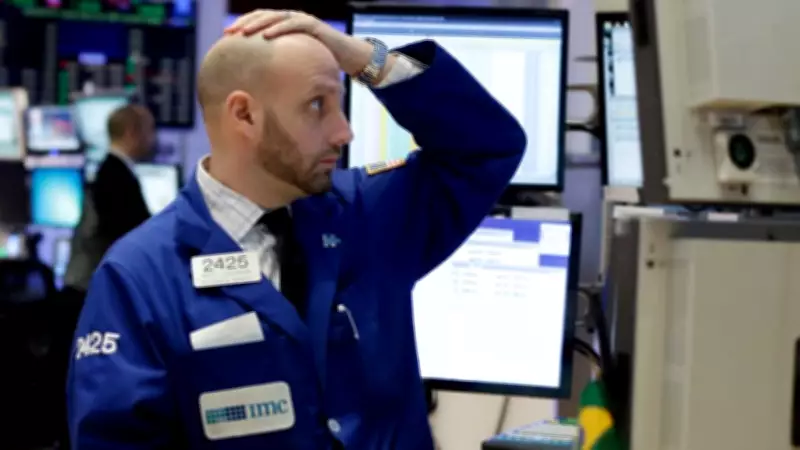
The trading floor of the New York Stock Exchange saw a relatively calm session, with specialists like Meric Greenbaum working diligently amidst the uncertainty. This cautious stability reflects a broader sentiment among investors who are weighing the potential economic fallout from prolonged military engagements. Historical data suggests that extended conflicts often lead to increased volatility in stock markets, prompting many to hedge their positions.
Key factors influencing market behavior include oil price fluctuations, supply chain disruptions, and shifts in investor confidence. Analysts note that any escalation or de-escalation in the Iran situation could trigger rapid movements in equity prices, particularly in sectors sensitive to geopolitical risks such as energy, defense, and technology.

Broader Economic Context
This period of market steadiness occurs against a backdrop of varied economic news. For instance, Transat reported a $29.5 million loss in its first quarter, though revenue saw a five percent increase from the previous year. Meanwhile, automakers have been granted additional tariff-free imports from the U.S. due to heightened Canadian production levels, indicating some resilience in the manufacturing sector.
Other developments include Bell partnering with Coveo to modernize digital services across Ottawa and provinces, and Germany's TKMS submitting a non-binding offer for Canada's submarine tender. These business moves highlight ongoing corporate activities despite the overarching geopolitical concerns.
Political and Social Dimensions
The Iran conflict has also sparked political discourse, with figures like Poilievre criticizing Prime Minister Carney for his absence during parliamentary debates on the war. Additionally, the Persian Student Association at UVIC held a rally to denounce the current Iranian regime, showcasing the social reverberations of the international crisis.
Investors are advised to stay informed through reliable news sources and consider diversifying portfolios to mitigate risks associated with geopolitical instability. The coming days will be crucial as markets seek clearer indications of the conflict's trajectory and its potential duration.
Looking Ahead
As Wall Street continues to navigate these uncertain times, the focus remains on how long the Iran war may last and its subsequent impact on global markets. Financial experts emphasize the importance of monitoring official statements from government bodies and international organizations for guidance. The steadiness observed in U.S. stocks may be temporary, with the possibility of significant shifts depending on future developments in the Middle East.