As Canadian households grapple with soaring expenses, one columnist is advocating for a powerful New Year's resolution for 2026: significantly reducing reliance on personal vehicles. Mark Wessel argues that embracing public transit is not only a wallet-friendly move but also a key to less stressful travel and building better communities.
The Staggering True Cost of Car Ownership
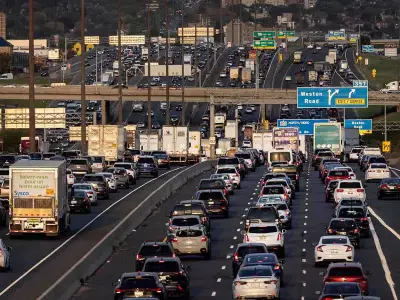
For many families, transportation stands as the third-largest household expense, often a source of significant delay and daily frustration. The financial burden is substantial; according to data from ratehub.ca, the combined costs of ownership, insurance, fuel, and maintenance average approximately $16,000 per year. This figure doesn't even include additional monthly outlays for parking, whether in a private garage or a condominium spot, which can add hundreds more.
While Wessel acknowledges valid reasons for car ownership in a sprawling country like Canada, he shares his personal experience of successfully living with one vehicle for over a decade. The secret, he reveals, lies in a committed shift towards public transportation.

A Real-World Test: From Niagara to Ottawa on Transit
Wessel recently put this philosophy to the test with a multi-leg journey from his home in the Niagara Region to Ottawa for a conference. His route involved a GO bus from Niagara Falls to Burlington, a transfer to a GO train into Toronto's Union Station, and finally a VIA Rail trip to the capital.
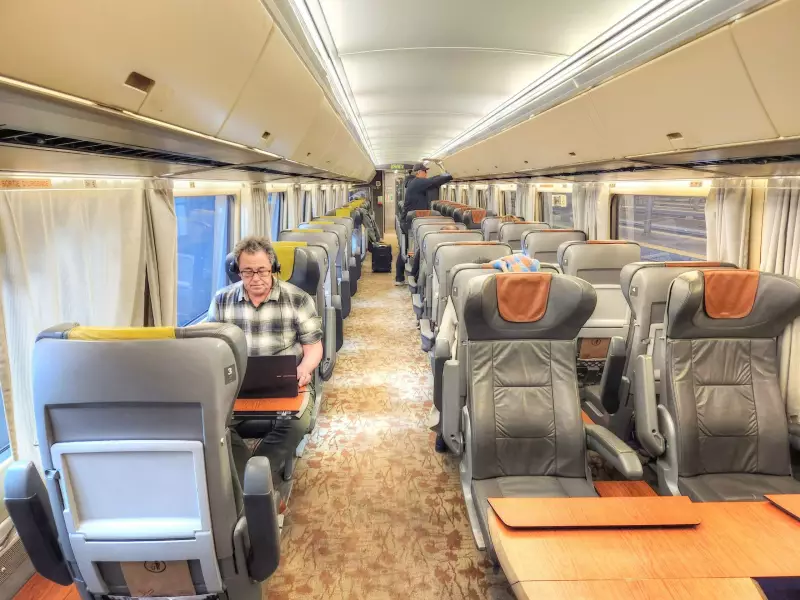
The experience, particularly on VIA Rail's business class, proved transformative. He found it superior to both driving—which involves nearly six hours of stressful navigation—and flying, with its lengthy airport procedures. The train travel was cost-competitive, offered relaxed lounge access, seamless boarding, comfortable seating, and quality onboard meals.
"My junket to Ottawa was a far better experience than driving," Wessel writes, noting the absence of fatigue and traffic woes. The trip solidified his intent to use inter-city transit more frequently.
Future Investments and Local Advocacy
This shift is poised to become even more attractive thanks to significant government investments. The Ontario government has announced billions in funding to develop the Niagara Region as a tourism destination, which includes plans for enhanced transit links. More substantially, the federal government has committed an estimated $60 to $80 billion for a long-awaited high-speed rail corridor connecting Toronto to Quebec City, with stops in Ottawa and Montreal.
While these large-scale projects will take time, Wessel suggests two immediate actions for Canadians looking to cut vehicle dependence:
- Advocate for Transit-Oriented Development (TOD): Lobby local politicians to improve transit services. Effective, budget-conscious strategies include prioritizing buses and streetcars over private cars. Wessel cites Toronto's successful King Street Transit Priority Corridor and Mississauga's planned Bus Rapid Transit (BRT) system—the first segment of a larger 48-kilometer Metrolinx project—as prime examples.
- Support the Creation of Transit-Oriented Communities: As highlighted on the Infrastructure Ontario website, the goal is to foster "more vibrant, higher density, mixed-use communities" connected to transit hubs. These communities aim to reduce congestion, lower emissions, and improve accessibility, placing essential services within walking, cycling, or a short transit ride distance.
The benefits extend beyond personal finance. Wessel emphasizes that improved transit leads to better air quality, especially for those living near highways, and contributes to healthier, more integrated neighborhoods.
By factoring in the considerable savings in time and money, alongside the community and environmental advantages, Wessel concludes that one of the most impactful resolutions for 2026 is clear: to make better use of public transit.
Mark Wessel is a Ridgway, Ontario-based columnist and an advocate for sustainable living.