AI-Controlled Traffic Lights Arrive on Yonge Street to Combat Toronto Gridlock
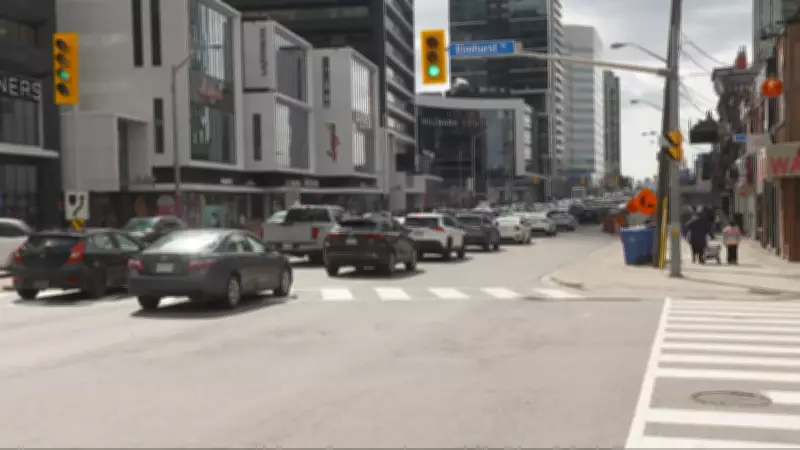
In a bold move to tackle persistent traffic congestion, the City of Toronto is rolling out artificial intelligence-controlled traffic lights along Yonge Street. This innovative initiative, announced as part of a broader urban mobility strategy, aims to dynamically manage traffic flow and reduce gridlock in one of the city's busiest corridors.
How AI Traffic Signals Work
The new AI system utilizes advanced sensors and machine learning algorithms to monitor real-time traffic conditions. Unlike traditional fixed-timing signals, these smart lights can adjust their patterns on the fly based on factors such as:
- Vehicle volume: Detecting the number of cars, trucks, and buses at intersections.
- Pedestrian activity: Responding to foot traffic to ensure safe crossings.
- Time of day: Adapting to peak commuting hours and off-peak periods.
- Special events: Accommodating increased traffic during concerts, sports games, or festivals.
This adaptive approach is designed to optimize green light sequences, minimize idle times, and enhance overall traffic efficiency.

Expected Benefits for Toronto Commuters
City officials project that the AI-controlled traffic lights will deliver significant improvements to daily travel. Key anticipated benefits include:
- Reduced travel times: By smoothing traffic flow, the system could cut commute durations by up to 20% during rush hours.
- Lower emissions: Less idling means decreased vehicle emissions, contributing to better air quality.
- Enhanced safety: The AI can prioritize pedestrian crossings and emergency vehicle passages.
- Data-driven insights: The technology will collect valuable traffic data to inform future infrastructure planning.
The implementation on Yonge Street serves as a pilot project, with potential expansion to other major arteries if successful.
Broader Context of Toronto's Traffic Management
This initiative is part of Toronto's comprehensive plan to address urban congestion, which has worsened due to population growth and increased vehicle usage. The city has been exploring various smart city technologies, including intelligent transportation systems, to create a more sustainable and efficient urban environment.
Public response has been cautiously optimistic, with many residents expressing hope for tangible improvements in their daily commutes. However, some concerns have been raised about the system's reliability and potential technical glitches.
The deployment of AI traffic lights represents a significant step forward in leveraging technology to solve urban challenges. As Toronto continues to grow, such innovations will be crucial in maintaining mobility and quality of life for all residents.