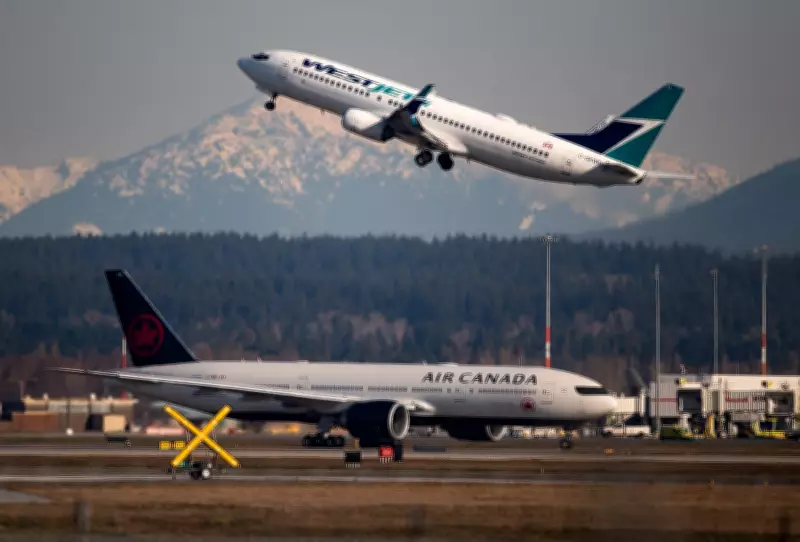
In a significant development for the travel sector, airfares in Canada have increased for the first time in nearly two years, according to new data from Statistics Canada. This rise is primarily attributed to soaring fuel costs, which have put pressure on airlines and led to higher prices for consumers.
Key Factors Behind the Increase
The recent uptick in airfares comes after a prolonged period of stability or decline, making this shift particularly noteworthy. Statistics Canada's report highlights that fuel costs, a major expense for airlines, have been climbing steadily, forcing carriers to adjust their pricing strategies to maintain profitability.
Impact on Consumers and the Aviation Industry
For consumers, this means higher travel expenses, potentially affecting both leisure and business trips. The aviation industry, which has been recovering from pandemic-related challenges, now faces new hurdles as it navigates increased operational costs. Experts suggest that this trend could continue if fuel prices remain elevated, leading to further adjustments in fare structures.

Historical Context and Future Outlook
This marks the first such increase since early 2024, breaking a trend of relatively stable or decreasing airfares. Analysts are closely monitoring the situation, as sustained high fuel costs could have broader implications for the economy, including impacts on tourism and trade. Airlines may also explore other measures, such as optimizing routes or introducing new fees, to offset these rising expenses.
Statistics Canada's data underscores the interconnected nature of global fuel markets and local travel costs, reminding us of the ongoing challenges in the post-pandemic recovery phase.