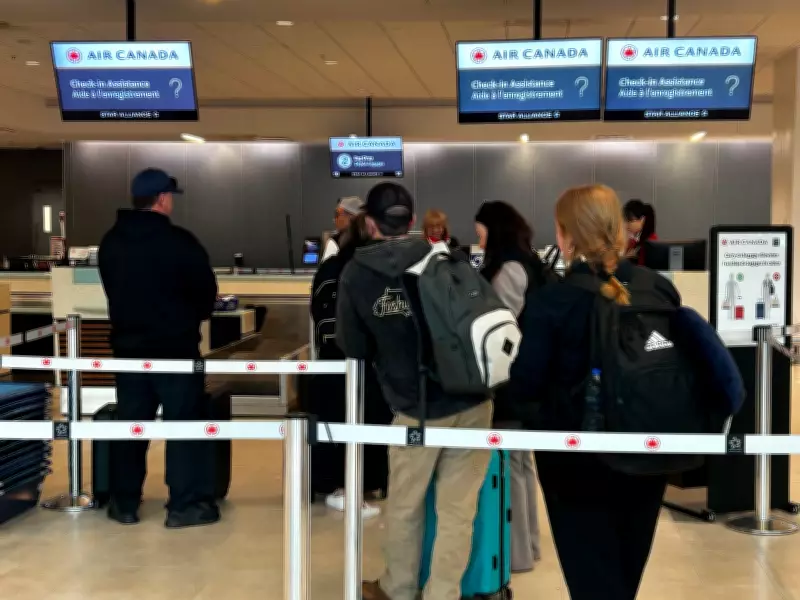
Airlines Forced to Pass Rising Jet Fuel Costs to Travelers Amid Global Crisis
In a move that underscores the mounting pressures on the aviation sector, airlines are increasingly passing the burden of escalating jet fuel expenses directly onto passengers. With global oil prices soaring past US$100 per barrel and physical oil hitting a record high near US$150, carriers have little choice but to adjust ticket prices to offset these steep operational costs.
Fuel Price Surge Driven by Geopolitical Tensions
The sharp rise in jet fuel costs is primarily attributed to escalating geopolitical crises, including the Strait of Hormuz situation and potential blockades of Iranian ports by the U.S. These events have disrupted oil supplies, sending shockwaves through the energy markets and directly impacting aviation fuel prices. As one industry analyst noted, "When oil prices spike, airlines face an immediate squeeze on profitability, forcing them to make tough decisions about pricing."
This financial pressure comes at a time when the aviation industry is still recovering from pandemic-related losses. The additional fuel costs represent a significant challenge, particularly for airlines operating on thin margins. Travelers should expect to see higher fares across both domestic and international routes, with some carriers potentially implementing fuel surcharges or reducing flight frequencies on less profitable routes.

Impact on Travelers and the Broader Economy
For consumers, this translates to more expensive travel plans. Business travelers, vacationers, and families alike will need to budget more for airfare, potentially altering travel patterns or delaying trips. The ripple effects extend beyond individual travelers to the broader tourism and hospitality sectors, which rely heavily on affordable air connectivity.
Industry experts predict that if fuel prices remain elevated, airlines may need to consider additional measures, such as:
- Introducing dynamic pricing models that fluctuate with fuel costs
- Optimizing flight routes to conserve fuel
- Accelerating investments in more fuel-efficient aircraft
- Exploring alternative fuel sources to reduce long-term dependency on traditional jet fuel
While some airlines have fuel hedging strategies in place to mitigate short-term price volatility, these protections have limits, and sustained high prices eventually filter through to consumers. The current situation highlights the aviation industry's vulnerability to global energy market fluctuations and the difficult balance between maintaining service levels and financial viability.
Looking Ahead: Challenges and Adaptations
As airlines navigate this challenging landscape, passengers are advised to monitor fare trends closely and consider booking flights further in advance to secure better rates. The industry's response to this fuel cost crisis will likely shape travel affordability and accessibility in the coming months, with potential implications for everything from business travel to family vacations.
Ultimately, the passing of jet fuel costs to travelers represents a necessary adaptation in an industry facing unprecedented economic pressures. While unwelcome news for consumers, it reflects the harsh realities of operating in a volatile global market where energy prices can dramatically alter business fundamentals overnight.