Barcelona Commuter Train Derails After Retaining Wall Collapse
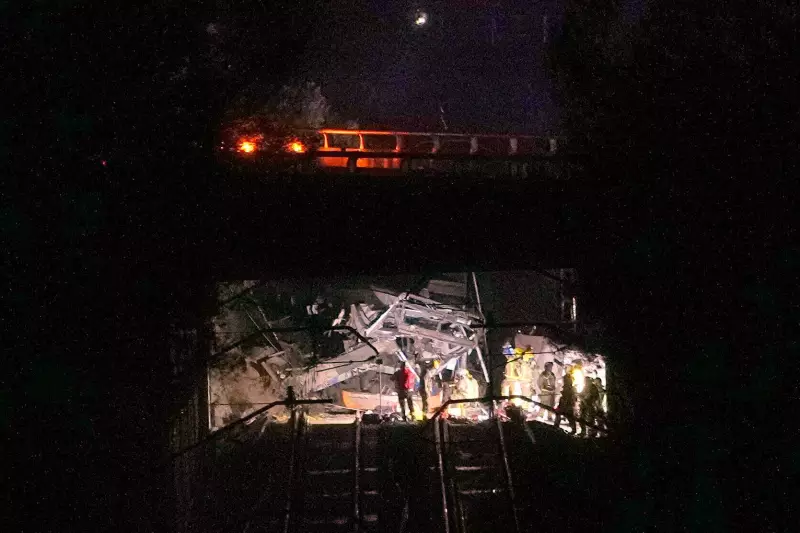
A commuter train service near Barcelona, Spain, was involved in a serious derailment on Tuesday, January 20, 2026, after a retaining wall collapsed onto the tracks. The incident occurred in the town of Gelida, located in the Catalonia region, and prompted a swift response from emergency crews.
This alarming event comes merely two days after a separate, deadly train collision took place elsewhere in Spain, raising concerns about railway safety and infrastructure maintenance across the nation. The timing of these two incidents has sparked immediate questions and investigations into the causes and potential systemic issues.
Emergency Response and Scene Details
First responders, including fire services and medical personnel, were dispatched to the scene in Gelida following reports of the derailment. Photographs from the site show emergency vehicles and personnel assessing the situation along the disrupted railway line.

The collapse of the retaining wall, which supports the terrain adjacent to the tracks, directly caused the train to leave the rails. The extent of injuries or casualties, if any, was not immediately detailed in the initial reports, but the deployment of emergency resources indicates the seriousness of the situation.
Context of Recent Railway Incidents in Spain
This derailment near Barcelona occurs against a backdrop of heightened scrutiny on Spain's rail network. The fatal train collision that happened just 48 hours prior adds a layer of urgency to safety evaluations.
Authorities are likely to examine whether these events are isolated incidents or if they point to broader challenges within the country's transportation infrastructure. Such consecutive safety failures can erode public confidence in commuter rail systems, which are vital for daily travel in metropolitan areas like Barcelona.
The investigation will focus on determining the cause of the wall's collapse, assessing maintenance records, and evaluating weather or environmental factors that may have contributed to the structural failure.
Implications for Commuters and Safety Protocols
For the thousands of daily commuters relying on Barcelona's regional train services, this incident causes significant disruption and concern. Service suspensions and delays are expected as crews work to clear the wreckage and repair the damaged infrastructure.
Railway operators and Spanish transport officials may face pressure to review and reinforce safety protocols, inspection schedules, and emergency preparedness plans. Ensuring the structural integrity of supporting walls and embankments along rail corridors is a critical component of preventing such accidents.
As details emerge, the focus will remain on the well-being of those affected and the steps necessary to prevent future tragedies on Spain's railways.