Cambridge Opts Against Seeking Reimbursement for Light Rail Transit Investment
The City of Cambridge has made a significant financial decision regarding its involvement in the region's flagship public transit project. Municipal officials have confirmed that Cambridge will not be asking for reimbursement of its investment in the ION light rail transit system.
A Strategic Regional Commitment
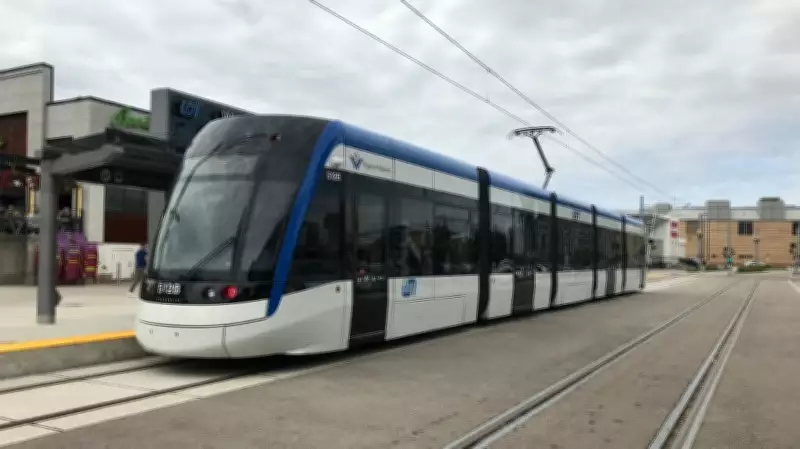
This decision represents a notable commitment to regional infrastructure cooperation. The ION light rail system, which connects Kitchener, Waterloo, and Cambridge, represents one of Ontario's most substantial public transit investments outside the Greater Toronto Area. Cambridge's contribution to the project was substantial, reflecting the city's stake in improving transportation connectivity across Waterloo Region.
The financial implications of this choice are considerable for municipal budgeting. By forgoing potential reimbursement claims, Cambridge is effectively absorbing the full cost of its participation in the light rail initiative. This approach differs from how some municipalities handle shared infrastructure projects, where cost-sharing agreements often include provisions for adjustments or reimbursements based on usage patterns or project outcomes.

Long-Term Vision Over Short-Term Recovery
City representatives have indicated that this decision aligns with a broader strategic vision for regional development. Rather than focusing on recouping initial investments, Cambridge appears to be prioritizing the long-term benefits of enhanced public transportation. These benefits include reduced traffic congestion, improved environmental outcomes through decreased vehicle emissions, and potential economic development along transit corridors.
The ION system has already demonstrated its impact on the region since its initial phases began operation. Ridership numbers have shown consistent growth, particularly as the system expanded its reach. The light rail service has become an integral part of the transportation network for students, commuters, and residents moving between the three cities.
Broader Context of Municipal Finance
This development occurs against a backdrop of increasing financial pressures on municipalities across Ontario. Many cities are grappling with infrastructure deficits, rising service costs, and limited revenue tools. Cambridge's decision to forgo reimbursement requests suggests a calculated assessment that the ongoing operational and economic benefits of the light rail system outweigh potential recovered funds.
The financial arrangement also reflects the complex nature of inter-municipal cooperation on major projects. When multiple jurisdictions collaborate on infrastructure, questions of cost allocation and benefit distribution inevitably arise. Cambridge's position indicates a willingness to bear its share of the investment without seeking subsequent financial adjustments.
As the ION system continues to evolve and potentially expand, this financial decision may influence future regional transportation planning. Other municipalities observing this approach might consider similar long-term perspectives when evaluating their participation in shared infrastructure initiatives.