In a notable development for regional connectivity, China has officially reinstated direct commercial flights to North Korea, ending a suspension that lasted for six full years. The resumption of air travel between Beijing and Pyongyang represents a pivotal moment in the bilateral relationship, potentially easing travel restrictions and fostering renewed economic and diplomatic exchanges.
Historic Flight Takes Off from Beijing
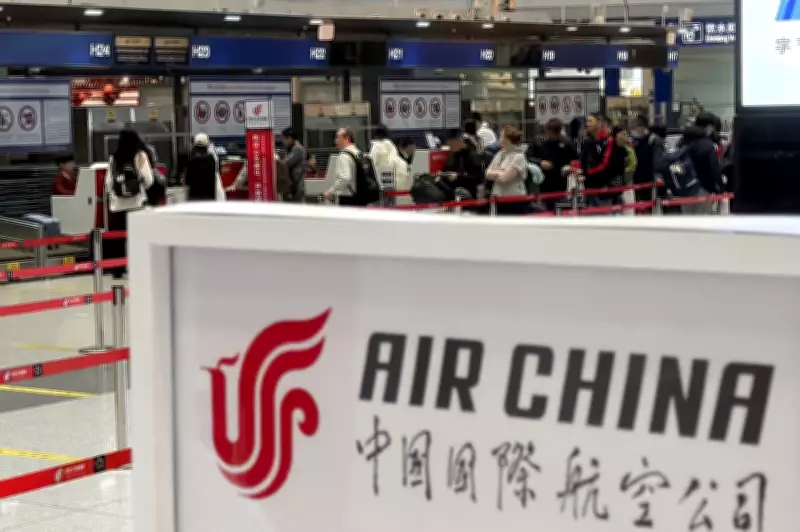
On Monday, March 30, 2026, passengers were observed lining up at the Air China counter at Beijing Capital International Airport, eagerly awaiting the inaugural direct flight to North Korea's capital. This service marks the first such connection since flights were halted in early 2020, amid global travel disruptions and geopolitical tensions. The scene at the airport underscored the anticipation surrounding this renewed link, with travelers preparing for the journey to Pyongyang.
Implications for International Relations
The revival of direct flights is widely interpreted as a strategic move to strengthen ties between China and North Korea. Analysts suggest that this step could facilitate increased tourism, business ventures, and cultural exchanges, while also providing a more efficient travel option for diplomats and officials. The resumption aligns with broader efforts to normalize cross-border interactions in the post-pandemic era, though it remains to be seen how this will impact regional dynamics and international sanctions regimes.

Economic and Logistical Considerations
From an economic perspective, the direct flights are expected to reduce travel time and costs for individuals and goods moving between the two countries. This could boost trade and investment flows, particularly in sectors like tourism and logistics. However, challenges such as regulatory compliance and fluctuating demand may influence the long-term sustainability of the service. The aviation industry will closely monitor passenger numbers and operational efficiency in the coming months.
Looking Ahead: Future Prospects
As the first flights take to the skies, stakeholders are optimistic about the potential for expanded air connectivity. Future plans may include additional routes or increased flight frequencies, depending on market response and political developments. This resumption serves as a reminder of the evolving nature of international travel and diplomacy in Northeast Asia, with implications for global observers and regional stability.