Electric Ferry Service Between Vancouver, Bowen Island, Sunshine Coast Advances
A proposed passenger-only electric ferry service linking downtown Vancouver with Bowen Island and the Sunshine Coast is gaining significant momentum, with a critical report set to go before the Vancouver park board next week. This innovative project aims to enhance regional connectivity while supporting low-emission transportation options for residents and visitors alike.
Park Board Vote and Negotiations
The Vancouver park board is scheduled to vote on the proposal this coming Monday. If approved, this decision would authorize Vancouver city council to direct staff to enter into negotiations with Victoria-based Cirql Ferries for a formal agreement. The ferry service represents a forward-thinking approach to sustainable transit in the region.
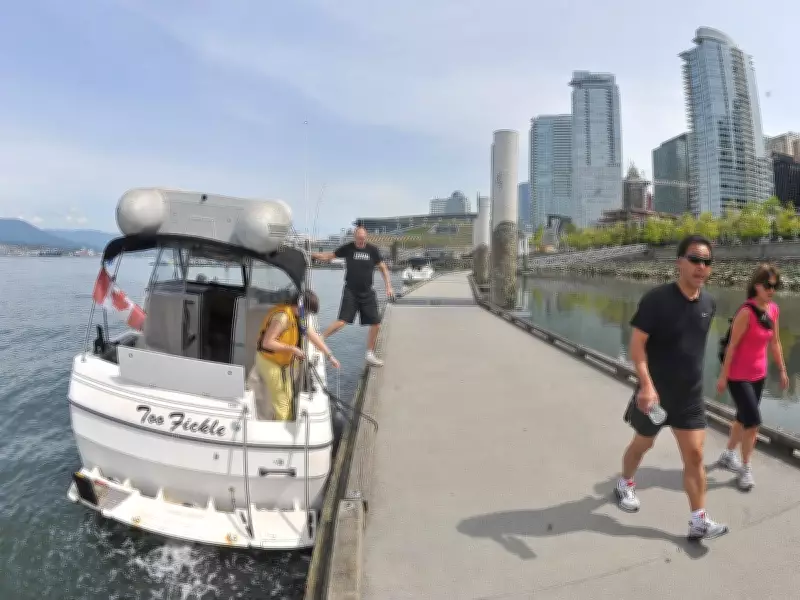
Park board staff have identified a preferred concept for the project, which would transform the public dock at Harbour Green Park at the north end of Bute Street into a commercial dock. This upgraded facility would include a charge barge, a publicly accessible viewing platform, and dock space for short-term recreational use, creating a multifunctional waterfront hub.

Infrastructure and Cost Benefits
The existing dock, originally constructed in 2003 by a developer, has been underutilized and costly to maintain, requiring several repairs due to design issues, site conditions, and damage from unauthorized vessels. The ferry proposal offers a timely opportunity to renew this aging infrastructure at no cost to the park board, addressing long-standing maintenance challenges.
Cirql Ferries, formerly known as Greenline Ferries, is expected to cover all capital costs for design, construction, and implementation. This includes the dock, viewing platform, and charging infrastructure. A floating charge barge, built off-site and towed into Coal Harbour, would serve as both a charging station and a ferry landing for passengers, helping to avoid strain on the local electric grid.
Proposed Routes and Vessels
Cirql plans to operate two battery-electric vessels, each capable of carrying up to 150 passengers, 20 bicycles, and four wheelchairs, ensuring accessibility and convenience for diverse user groups. Two primary routes are proposed:
- A Vancouver to Gibsons service, taking approximately 70 minutes each way with four daily round trips.
- A Vancouver to Bowen Island route, taking about 40 minutes with three daily round trips.
The company is targeting a spring 2027 launch for these services, pending approvals and successful negotiations. Final details, such as how the existing dock will be retained, will be determined in later phases of the project.
Economic and Community Impacts
The city of Vancouver would receive a share of revenues from the ferry operations, which could help offset costs associated with emergency services and bylaw enforcement. This financial arrangement provides a potential benefit to municipal budgets while supporting sustainable transit.
Staff reports indicate that Cirql has engaged with local First Nations on the proposal, emphasizing community consultation and collaboration. If approved, responsibility for operating and maintaining the dock would transfer from the park board to the city’s engineering services department, which could delegate some responsibilities to the ferry operator.
Broader Context and Comparisons
This initiative follows the success of other ferry services in the region, such as Hullo Ferries, which launched service between downtown Vancouver and Nanaimo in 2023. Hullo Ferries carried approximately 400,000 passengers in its first year, demonstrating strong demand for alternative water transit options. However, it recently announced fare increases, highlighting the economic considerations involved in such operations.
The project may require new electrical transformer infrastructure and trenching for utilities through Harbour Green Park, as noted in the report. These logistical aspects will be carefully managed to minimize disruption and ensure environmental compatibility.

Overall, the proposed electric ferry service promises to enhance regional connectivity while promoting low-emission transportation, improved public access, and renewed recreational opportunities on Vancouver’s waterfront. As the park board vote approaches, stakeholders are watching closely to see if this green transit vision will move forward.