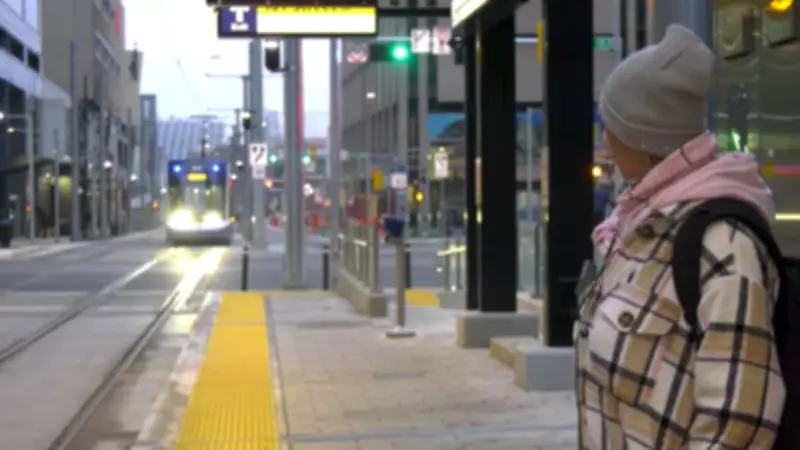
Electrical Problems Disrupt Edmonton's Valley Line LRT Service
Passengers on Edmonton's Valley Line Southeast LRT are facing significant disruptions due to electrical issues, forcing them to transfer trains to complete their journeys. The problems have emerged as a recurring challenge for the transit system, impacting commuters and raising concerns about infrastructure reliability.
Ongoing Infrastructure Challenges
The electrical malfunctions on the Valley Line LRT have led to service interruptions, particularly in downtown areas like the 102 Street platform. These incidents are not isolated; similar issues have been reported in the past, suggesting systemic weaknesses in the line's electrical components. Transit authorities are working to address the faults, but the disruptions have caused delays and inconvenience for daily riders.
Passenger experiences have been notably affected, with many reporting extended wait times and confusion during transfers. The need for train changes adds complexity to travel plans, especially during peak hours when the LRT is heavily utilized. This situation underscores the importance of robust maintenance and timely upgrades to prevent such occurrences.

Broader Implications for Public Transit
These electrical issues on the Valley Line LRT highlight broader concerns about the sustainability and efficiency of Edmonton's public transit network. As cities invest in light rail systems to reduce congestion and promote eco-friendly travel, reliability becomes paramount. The current disruptions may prompt calls for increased funding and oversight to ensure smoother operations.
Comparisons to other transit systems reveal that electrical problems are not unique to Edmonton, but they emphasize the need for proactive measures. Experts suggest that regular inspections and modernizing aging infrastructure could mitigate similar issues in the future. Public feedback indicates a desire for more transparent communication from transit officials during such events.
Looking Ahead: Solutions and Community Impact
To resolve the electrical issues, transit agencies are likely implementing temporary fixes while planning long-term solutions. This may include component replacements or system-wide audits to identify vulnerabilities. The community impact is significant, as reliable public transit is crucial for economic activity and social mobility in urban areas like Edmonton.
In summary, the electrical problems forcing passenger transfers on the Valley Line LRT serve as a reminder of the challenges in maintaining modern transit systems. Addressing these issues promptly will be key to restoring confidence and ensuring efficient service for all riders.