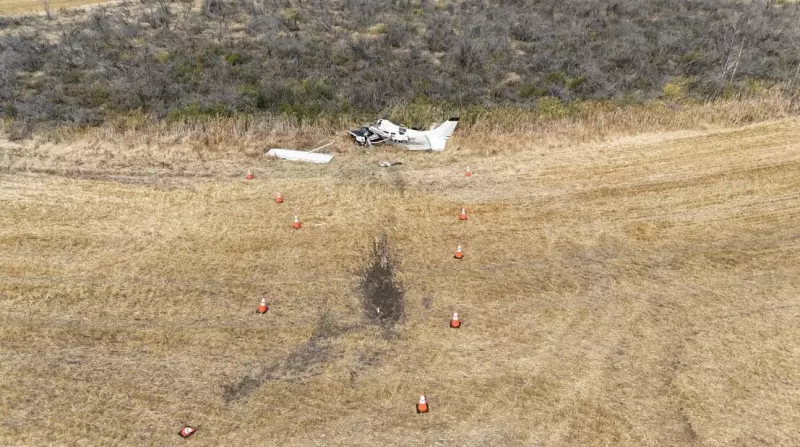
The Transportation Safety Board of Canada (TSB) has determined the cause of a fatal plane crash in western Saskatchewan, concluding the aircraft stalled during a tight turn at a dangerously low altitude.
Investigation Points to Aerodynamic Stall
In its final report, the TSB found that the crash, which occurred south of Lloydminster in 2024, was the direct result of an aerodynamic stall. The board's investigation indicates the pilot executed a tight turn at a low altitude, from which the aircraft could not recover. An aerodynamic stall happens when the wings lose the lift necessary to keep the plane airborne, often due to a sharp maneuver or insufficient airspeed.
Details of the Fatal Flight
The accident, which was investigated over the past year, resulted in fatalities. The TSB report, released on January 7, 2026, provides critical insight into the final moments of the flight. While the specific aircraft type and number of occupants were detailed in the full report, the core finding centers on the low-altitude maneuvering that led to the loss of control.

Investigators meticulously analyzed flight data, witness accounts, and the wreckage to reconstruct the event. The sequence of a tight turn followed by a stall at an altitude too low for recovery emerged as the definitive chain of events.
Safety Implications and Final Report
The TSB's mandate is not to assign blame but to advance transportation safety. By pinpointing the cause as a stall during low-level maneuvering, the report highlights known risks in aviation, particularly during operations close to the ground. The findings serve as a crucial reminder for pilots regarding the dangers of aggressive turns at minimal altitudes where margin for error is virtually nonexistent.
The publication of this report brings a conclusion to the official investigation into the tragic incident. The TSB's work aims to inform the flying community and regulatory bodies to help prevent similar accidents in the future.