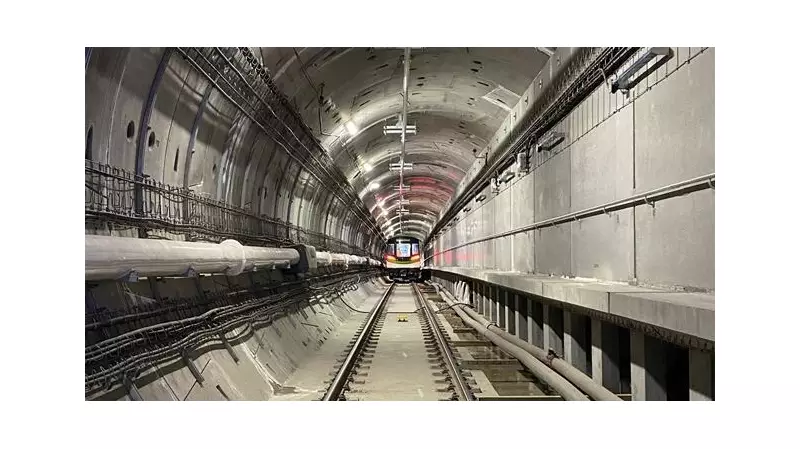
Montreal's ambitious Réseau express métropolitain (REM) light rail network has achieved a significant construction milestone. For the first time, a test train has successfully operated on the tracks of the future branch line that will connect the city's core to Montréal-Trudeau International Airport.
A Pivotal Step for Airport Connectivity
This initial test run marks a crucial phase in the development of the long-awaited airport link. The event, which took place recently, involved a train moving under its own power along a completed segment of the dedicated airport spur. While passenger service is still some time away, this operational test validates the track alignment, signaling systems, and electrical infrastructure installed for this specific branch of the massive transit project.
The airport line is a key component of the REM's de la Savane station branch, designed to provide a seamless, reliable rail connection between downtown Montreal and the country's second-busiest airport. The successful movement of the first train is a tangible sign of progress for a project that promises to transform how travelers and airport employees commute.

What Comes Next for the REM Project
Following this milestone, the project consortium will intensify testing and commissioning activities on the airport segment. This includes rigorous safety checks, system integration tests, and simulated service runs to ensure complete reliability before opening to the public. The broader REM network, which will eventually link the South Shore, West Island, North Shore, and the airport, has been opening in stages since 2023.
The exact opening date for the airport station has not been finalized, but this test run indicates that major construction is giving way to the final stages of technical commissioning. Once operational, the line is expected to offer a frequent, automated train service, drastically reducing travel time from central stations to the airport terminals compared to current road-based options.
This development is being closely watched by urban planners, frequent travelers, and Montreal residents alike, as it represents a major leap forward in the city's public transportation infrastructure and its connectivity to a vital international gateway.