High Fuel Prices Drive Up Shipping Costs for Northern Grocers in Canada
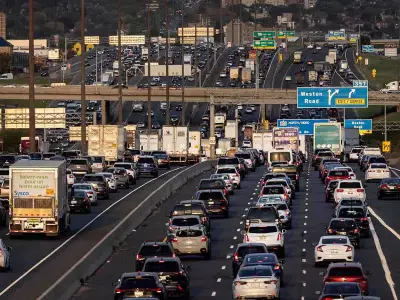
Rising fuel prices across Canada are creating substantial financial pressures for grocery retailers operating in the country's northern territories. The increased costs associated with transporting goods to remote communities are directly impacting supply chains, leading to higher operational expenses for businesses and potentially elevated prices for consumers.
Impact on Northern Supply Chains
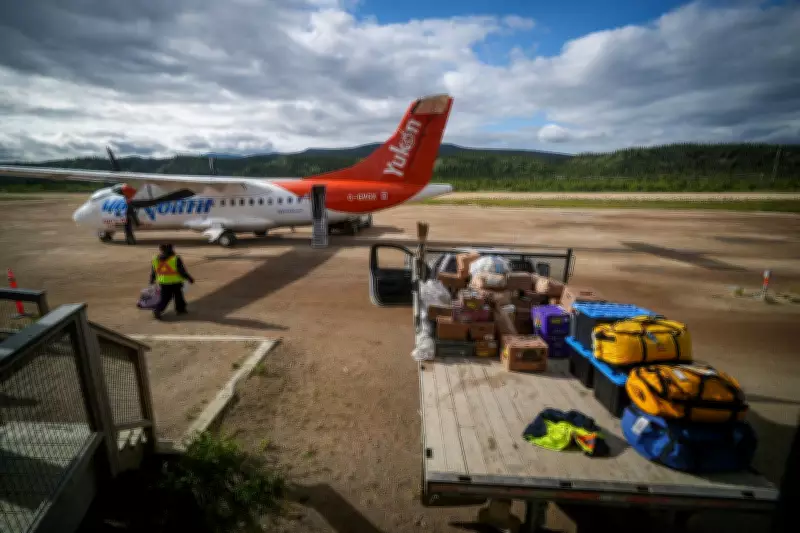
The surge in fuel prices is particularly challenging for northern grocers who rely heavily on air and ground transportation to receive fresh produce, dairy products, and other essential items. Many of these communities lack direct road access, making air freight a critical component of their logistics networks. As fuel costs climb, the expense of operating cargo planes and trucks escalates, forcing retailers to absorb these additional costs or pass them on to customers.
This situation is exacerbated by the already high cost of living in northern regions, where groceries are typically more expensive due to transportation challenges. The current fuel price spike threatens to widen this affordability gap, placing further strain on household budgets in areas where food security is a persistent concern.

Broader Economic Context
The increase in shipping costs for northern grocers occurs within a broader national context of rising inflation and fuel prices. Recent economic data indicates that fuel costs have been a significant driver of inflationary pressures, affecting various sectors beyond retail. For northern communities, however, the impact is magnified due to their geographic isolation and reliance on long-distance transportation.
Industry analysts note that while fuel price fluctuations are not uncommon, the current sustained increase poses unique challenges for remote retailers who have limited alternatives for sourcing and distributing goods. Some businesses are exploring efficiency improvements in their logistics operations, but options are constrained by infrastructure limitations in many northern areas.
Looking Ahead
As fuel prices remain elevated, northern grocers face ongoing uncertainty regarding their shipping expenses. Stakeholders are calling for targeted support measures to help mitigate the impact on essential services in remote communities. The situation underscores the vulnerability of northern supply chains to external economic factors and highlights the need for resilient logistics strategies in Canada's most isolated regions.
The long-term implications for food affordability and access in the North will depend on how fuel prices evolve and what collaborative solutions emerge between businesses, governments, and communities to address these pressing challenges.