Canadian travelers planning upcoming trips are encountering increasingly complex booking decisions as rising global fuel costs push airfares higher across the country. Airlines are responding to market pressures by implementing temporary surcharges, creating uncertainty for consumers trying to determine the optimal time to purchase tickets.
Global Oil Market Volatility Impacts Air Travel
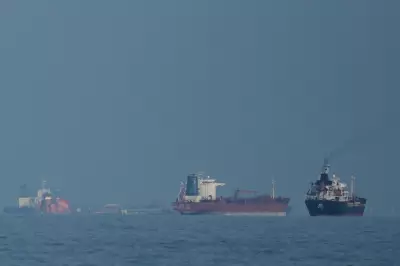
The current situation stems from significant volatility in global oil markets, primarily triggered by the closure of the Strait of Hormuz. This critical waterway typically facilitates the passage of approximately one-fifth of the world's oil supply. The disruption has created ripple effects throughout transportation sectors, with airlines facing particularly acute pressure.
"One of the greatest costs for an airline is the fuel that's required to transport travelers to destinations," explained Anita Emilio, executive vice president of Flight Centre Canada. "When you have the price of fuel being pressured, the airlines have almost no other recourse but to introduce a fuel surcharge."

Booking Dilemma for Travelers
The uncertainty surrounding oil prices makes it challenging for passengers to decide whether to book flights immediately or wait for potential price reductions. With market conditions expected to remain volatile in the foreseeable future, waiting carries significant risk, especially as the busy summer travel season approaches.
Emilio strongly recommends that travelers considering bookings act quickly: "We've been telling people that the price that you see today is probably the best price you'll see in the near future. So we're encouraging people to book as soon as possible."
This summer presents additional complications as increased travel demand coincides with reduced capacity on certain routes due to ongoing conflicts in the Middle East. This combination of factors could lead to even higher ticket prices during peak travel periods.
Which Airlines Have Implemented Surcharges?
Several major Canadian carriers have already announced new fee structures:
- Air Canada Vacations implemented a $50 per passenger fuel surcharge on new bookings starting April 6, 2026, affecting designated "SUN destinations" packages that include flight portions.
- WestJet introduced a temporary $60 fuel surcharge on companion voucher bookings beginning April 8, 2026.
- Porter Airlines notified VIP members of a temporary $40 "peak surcharge" for flights booked using VIPorter as of March 23.
- Air Transat announced increased fuel surcharges for flights to Europe, with the airline's chief financial officer Jean-François Pruneau confirming the changes last month.
A WestJet spokesperson explained the rationale behind these measures: "Fuel is the largest contributor to airline operating costs, and a temporary surcharge helps us manage the recent surge in fuel prices."
International Travel Faces Greatest Impact
Canadians planning travel outside North America will likely experience the most significant price increases. European destinations, which remain popular choices for Canadian travelers during summer months, require more jet fuel for longer flights, making them particularly vulnerable to fuel cost fluctuations.
"As we head into peak summer season, Europe is a favorite for Canadians, and the longer you travel, the more jet fuel that is needed," Emilio noted, highlighting why transatlantic flights may see the largest premium increases.
The current situation leaves travelers with difficult choices as they balance the risk of waiting for potential price decreases against the certainty of immediate booking at current rates. With summer approaching and capacity constraints expected on some routes, industry experts suggest that early booking represents the most prudent approach for travelers seeking to manage costs during this period of market uncertainty.