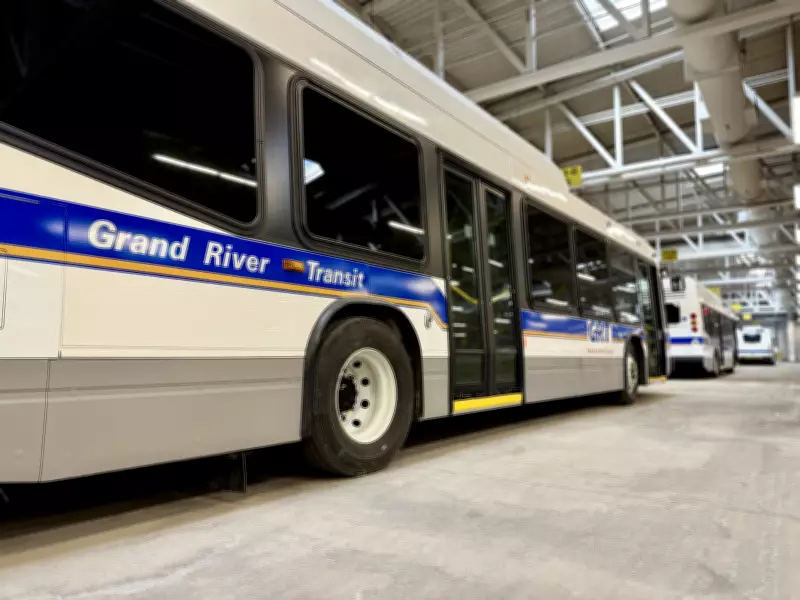
Potential Grand River Transit Strike Threatens Kitchener-Waterloo Bus Routes
A potential labor strike could bring Grand River Transit bus services in the Kitchener-Waterloo region to a complete halt, disrupting the daily commutes of thousands of residents and essential travel across the area. The looming strike action, which has been under negotiation for months, poses a significant threat to public transportation infrastructure in one of Ontario's fastest-growing urban centers.
Impending Service Disruption
If the strike proceeds as threatened, all Grand River Transit bus routes would cease operation immediately, leaving commuters without their primary mode of transportation. This would affect not only regular daily travelers but also students, seniors, and low-income residents who rely heavily on affordable public transit options. The potential shutdown comes at a time when ridership has been steadily increasing as the region continues to expand both residentially and commercially.
The labor dispute centers around several key issues including wages, working conditions, and benefits for transit operators and maintenance staff. Union representatives have expressed frustration with the pace of negotiations, while management has cited budgetary constraints and operational challenges. Both sides appear to be preparing for a prolonged standoff that could leave the region's transportation network paralyzed.

Regional Impact and Contingency Planning
Local businesses are already expressing concern about how a transit shutdown would affect their operations, particularly those in retail and service industries that depend on both customer access and employee attendance. Educational institutions, including the University of Waterloo and Wilfrid Laurier University, are developing contingency plans to accommodate students who typically rely on bus services to reach campus.
Municipal officials have urged both parties to return to the bargaining table with renewed urgency, emphasizing the critical role public transportation plays in the region's economic vitality and social connectivity. Alternative transportation options are limited, with ride-sharing services and carpooling unlikely to absorb the volume of displaced transit users.
Historical Context and Future Implications
This potential strike follows a pattern of labor tensions in public transportation sectors across Ontario, highlighting broader challenges in maintaining sustainable transit systems while addressing worker concerns. The outcome of these negotiations could set precedents for similar disputes in other municipalities facing comparable pressures.
As the deadline approaches, community organizations are mobilizing to support vulnerable populations who would be most severely impacted by a transit shutdown. Food banks, medical clinics, and social service agencies are developing emergency response plans to ensure continued access to essential services for those without alternative transportation options.
The situation remains fluid, with both union leadership and transit management indicating willingness to continue negotiations while simultaneously preparing for the possibility of a complete service interruption. Residents are advised to monitor official communications from Grand River Transit and consider developing personal contingency plans for their transportation needs in the coming weeks.