Halifax Transit Announces Fare Hike for September 2026
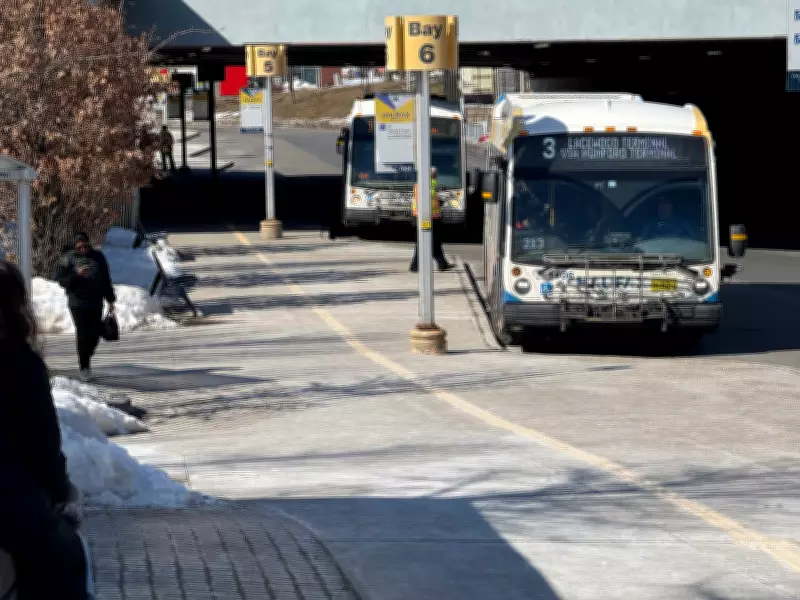
Commuters in Halifax will need to dig a little deeper into their pockets starting this fall, as Halifax Transit has confirmed a fare increase of 25 cents, set to take effect in September 2026. This adjustment marks a notable shift in the cost of public transportation for residents relying on buses and other transit services across the city.
Details of the Fare Adjustment
The 25-cent rise applies to all standard adult fares, with similar proportional increases expected for concession fares, such as those for seniors, students, and children. Halifax Transit officials cite rising operational expenses, including fuel costs, maintenance, and labor, as primary drivers behind this decision. This is the first fare hike in several years, and it comes amid broader economic pressures affecting transit agencies nationwide.
In a statement, a Halifax Transit representative emphasized that the additional revenue will be directed toward improving service reliability and addressing infrastructure needs. "We understand that any increase can be challenging for our riders, but this step is necessary to maintain and enhance the quality of our transit system," the representative said. The announcement follows a period of public consultation, where feedback highlighted concerns over service cancellations and delays, with over 6,500 bus trips canceled in February alone in a similar system, OC Transpo, underscoring the urgency for stable funding.

Impact on Commuters and the Community
For daily users, the fare hike translates to an extra $1.25 per week for a five-day commute, or approximately $65 annually, assuming no other changes. While modest on an individual level, this increase could strain budgets for low-income families and students, who heavily depend on affordable transit options. Advocacy groups have called for measures to mitigate the impact, such as expanded subsidy programs or fare-free zones in high-need areas.
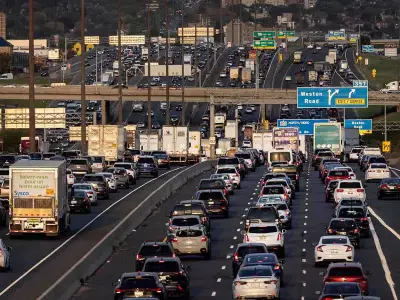
The fare adjustment also intersects with broader urban issues in Halifax, including traffic congestion and environmental goals. As the city grows, efficient public transportation is seen as key to reducing carbon emissions and easing road pressures. However, some critics argue that higher fares might discourage ridership, counteracting these benefits. Balancing affordability with service quality remains a central challenge for transit planners.
Context and Comparisons
This move aligns with trends in other Canadian cities, where transit agencies are grappling with post-pandemic financial realities. For instance, similar fare increases have been implemented or proposed in municipalities like Ottawa and Vancouver, reflecting nationwide strains on public infrastructure. In Halifax, the decision comes alongside other local news, such as Halifax Water investigating a privacy breach and average gas prices rising in Winnipeg, highlighting the interconnected nature of urban costs.
Looking ahead, Halifax Transit plans to monitor ridership patterns and feedback post-implementation, with potential adjustments based on economic conditions and community needs. Riders are encouraged to stay informed through official channels and consider budgeting for the change as September approaches.