Kitchener Officials Weigh Enhanced Road Safety Initiatives
City authorities in Kitchener are actively considering the implementation of new safety protocols for local roadways, with a particular focus on traffic calming measures designed to protect both pedestrians and motorists. This potential shift in municipal policy comes as part of a broader effort to address community concerns regarding vehicular speed and accident prevention in residential and high-traffic areas.
Proposed Measures Include Speed Reduction Infrastructure
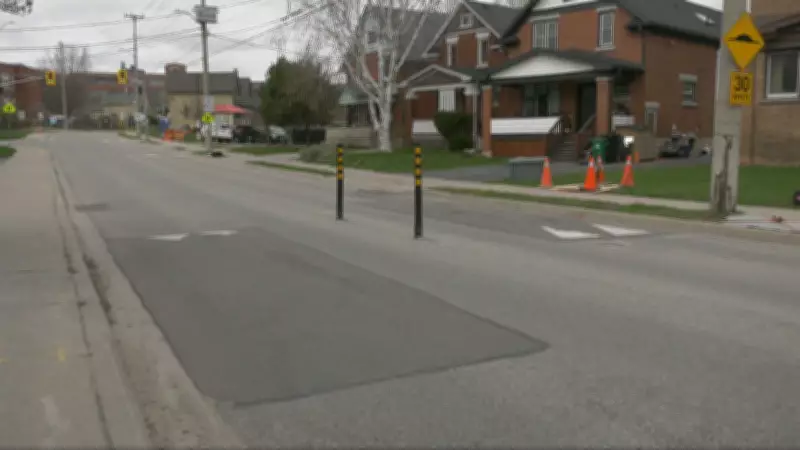
Among the most discussed proposals are the installation of additional speed bumps and other physical traffic calming devices. These interventions aim to forcibly reduce vehicle speeds in zones where speeding has been identified as a persistent issue, thereby lowering the risk of collisions and enhancing the overall safety of the urban environment. The consideration follows observations of existing speed bumps on certain Kitchener roadways, which have been in place since April 2026, serving as a practical test case for their effectiveness.
Community and Expert Input Sought

Local government representatives have indicated that any final decisions will be informed by comprehensive data analysis, public consultation, and expert recommendations from urban planners and traffic safety specialists. The goal is to develop a balanced approach that improves safety without unnecessarily impeding the flow of traffic for commuters and emergency services. This process underscores the city's commitment to evidence-based policymaking in matters of public infrastructure.
Broader Context of Municipal Safety Efforts
This initiative aligns with ongoing national and provincial discussions about urban safety and transportation logistics. While specific to Kitchener, the move reflects a wider trend among Canadian municipalities to proactively address roadway hazards through innovative engineering and regulatory adjustments. The potential adoption of these measures could set a precedent for other cities grappling with similar safety challenges, highlighting the importance of localized solutions in the broader framework of public welfare.
Further details regarding the timeline for implementation, cost assessments, and specific locations for the proposed safety features are expected to be released following the completion of the current evaluation phase. Residents and stakeholders are encouraged to stay informed through official municipal channels as the planning process advances.