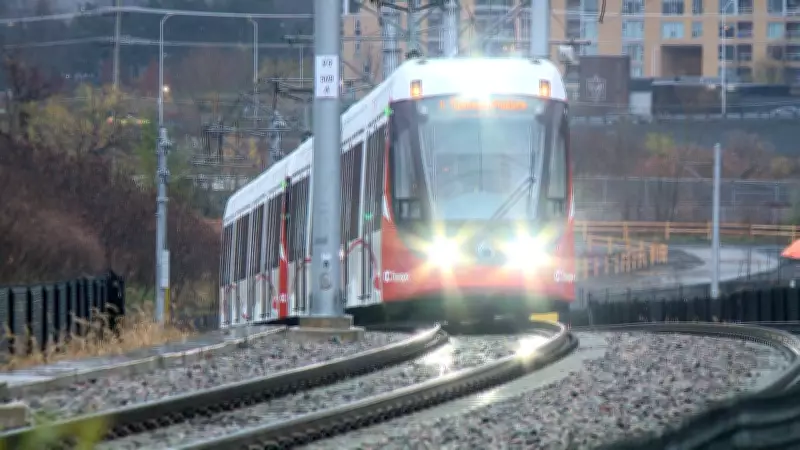
Metrolinx Ships Replacement Axles to Ottawa for O-Train Fleet Maintenance
Metrolinx, the regional transportation agency for the Greater Toronto and Hamilton Area, has taken a proactive step to support Ottawa's transit system by sending replacement axles for the O-Train fleet. This move aims to ensure the continued reliability and safety of the light rail service, which is a critical component of Ottawa's public transportation network.
Ensuring Operational Continuity
The delivery of replacement axles comes as part of routine maintenance and preparedness efforts to address potential wear and tear on the O-Train vehicles. Axles are essential components that connect the wheels to the train, playing a vital role in the smooth operation and stability of the trains as they traverse the city's tracks.
By providing these parts, Metrolinx is helping to minimize service disruptions and maintain the efficiency of Line 1, which runs from Tunney's Pasture Station to Blair Station. This line serves thousands of daily commuters, and any downtime could significantly impact travel in the region.

Background and Context
The O-Train system, operated by OC Transpo, has been a key part of Ottawa's transit infrastructure since its inception. Line 1, in particular, has seen steady ridership and requires regular upkeep to meet safety standards and performance expectations. Metrolinx's involvement highlights inter-agency cooperation in addressing maintenance needs across provincial boundaries.
This initiative underscores the importance of spare parts management in public transit, where timely replacements can prevent larger issues and ensure passenger safety. The axles are expected to be integrated into the maintenance schedule, allowing for seamless repairs as needed without waiting for lengthy procurement processes.
Implications for Transit Users
For Ottawa residents and visitors, this development means enhanced confidence in the reliability of the O-Train service. With replacement parts on hand, OC Transpo can swiftly address any axle-related concerns, reducing the likelihood of unexpected service halts and improving overall transit experience.
Moreover, this collaboration between Metrolinx and Ottawa's transit authorities sets a precedent for future partnerships in addressing infrastructure challenges, potentially leading to more efficient resource sharing and cost savings in the long run.
As urban centers continue to grow and rely on public transit, such proactive measures are crucial for sustaining high-quality service and meeting the evolving demands of commuters.