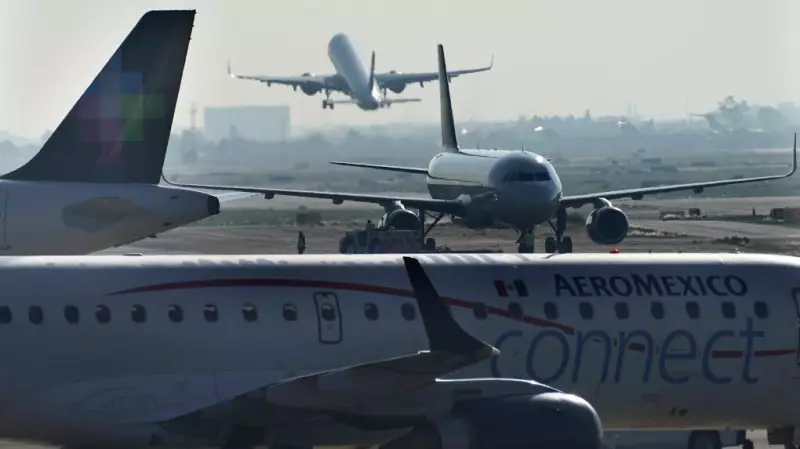
Mexico Redistributes Airport Access to US Airlines
In a significant move for North American aviation, Mexico has officially transferred a portion of flight slots at Mexico City's primary airport from domestic carriers to United States-based airlines. The redistribution occurred on November 17, 2025, marking a notable shift in airport access rights at one of Latin America's busiest aviation hubs.
Details of the Slot Allocation Changes
The slot reallocation affects operations at Benito Juarez International Airport, Mexico City's main international gateway. While specific numbers of slots transferred weren't disclosed in the initial announcement, the move represents a substantial policy shift that will increase US carrier presence at this strategically important airport.
This development comes as aviation authorities continue to balance airport capacity constraints with growing demand for international travel between the two neighboring countries. The slot redistribution follows ongoing negotiations between Mexican and US aviation officials seeking to optimize airport utilization while maintaining competitive balance.

Implications for Air Travel and Tourism
The transfer of flight slots from Mexican airlines to US carriers is expected to have several immediate effects on North American air travel. Increased US carrier access to Mexico City could lead to more flight options and potentially more competitive pricing for travelers moving between the two countries.
For Canadian travelers, particularly those with connections through US hubs, this development may create additional routing options when traveling to Mexico City. The changes at Benito Juarez International Airport come as the global aviation industry continues its post-pandemic recovery and adapts to evolving travel patterns.
Industry analysts suggest this slot redistribution could signal a broader trend of airport access liberalization in key international markets, potentially influencing future aviation agreements between North American partners.