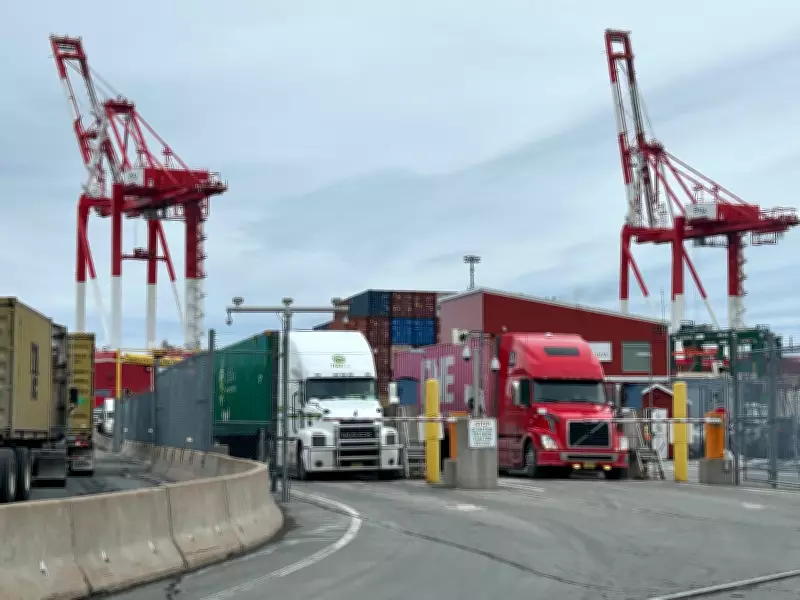
Middle East Conflict Poses Significant Risk to Maritime Supply Chains
The escalating conflict in the Middle East is raising serious concerns about potential disruptions to supply chains across the Maritime provinces of Canada. Industry experts and logistics analysts warn that the geopolitical instability could lead to significant delays and increased costs for goods moving through critical ports like Halifax.
Port of Halifax Faces Operational Challenges
The Port of Halifax, a vital hub for Atlantic Canada's trade, is particularly vulnerable to these disruptions. As a key gateway for container ships and cargo vessels, any ripple effects from the Middle East—such as rerouted shipping lanes, increased insurance premiums, or heightened security measures—could directly impact its operations. The port handles a diverse range of imports and exports, including consumer goods, agricultural products, and industrial materials, making it essential to the regional economy.
Supply chain professionals are closely monitoring the situation, noting that prolonged conflict could strain logistics networks already recovering from recent global challenges. Delays in shipments might affect everything from retail inventory to manufacturing components, potentially leading to shortages and price hikes for consumers in Nova Scotia and beyond.

Broader Implications for the Maritimes
Beyond Halifax, the entire Maritime region could feel the effects. Smaller ports and transportation routes that rely on seamless connections to larger hubs may experience cascading delays. This comes at a time when businesses are striving to stabilize their operations after previous supply chain upheavals.
The uncertainty underscores the interconnected nature of global trade, where events in distant regions can have immediate local consequences. Stakeholders are urging preparedness, including exploring alternative shipping options and bolstering inventory buffers where possible.
As the conflict evolves, ongoing assessments will be crucial to mitigate risks and maintain the flow of goods essential to the Maritime economy.