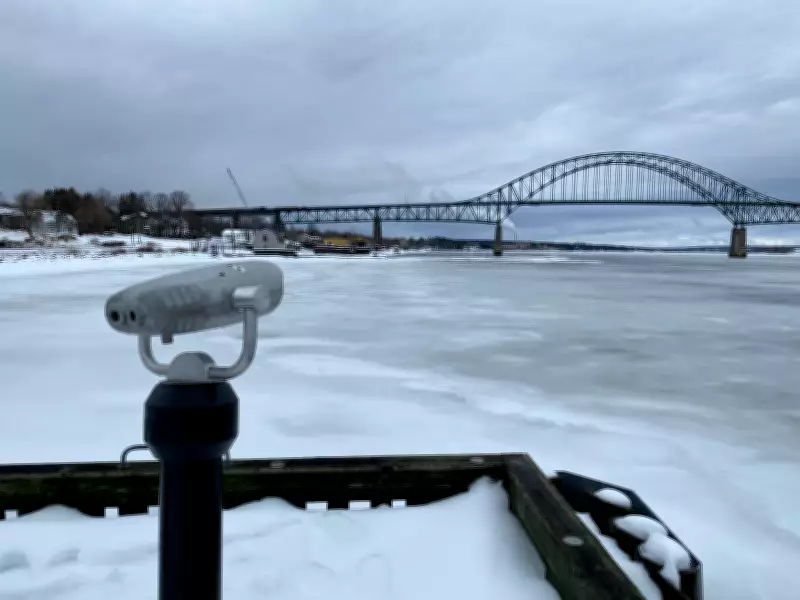
Centennial Bridge in Miramichi to Close Until December for Rehabilitation Project
The Centennial Bridge in Miramichi, New Brunswick, is set to undergo a significant rehabilitation project, resulting in a full closure to all traffic until December 2026. This extensive work, announced on April 6, 2026, aims to address structural concerns and enhance the bridge's longevity, with local authorities emphasizing the necessity of this temporary disruption for long-term public safety and infrastructure reliability.
Project Details and Timeline
The rehabilitation project will involve comprehensive repairs and upgrades to the bridge's foundational elements, including deck resurfacing, structural reinforcement, and safety improvements. Construction is scheduled to begin immediately, with the closure expected to last approximately eight months, culminating in a planned reopening in December 2026. Officials have cited aging infrastructure and increased wear from traffic as key factors driving the need for this timely intervention.
Impact on Local Community and Traffic
Residents and commuters in Miramichi are advised to plan for alternative routes during the closure period. Detours will be clearly marked, with local traffic management teams deployed to minimize congestion and ensure smooth flow in the surrounding areas. The city has also announced public information sessions to address community concerns and provide updates on the project's progress, highlighting efforts to maintain transparency and minimize inconvenience.

Broader Context of Infrastructure Maintenance
This project aligns with broader provincial and federal initiatives to upgrade aging transportation networks across Canada. Similar rehabilitation efforts are underway for other key bridges, such as those in Ottawa, reflecting a nationwide push to bolster infrastructure resilience. The Centennial Bridge closure underscores the critical balance between immediate disruptions and the imperative of safeguarding public assets for future generations, with officials reiterating that the short-term inconvenience is a necessary investment in regional stability and economic vitality.