Montreal Employs Cold Asphalt in Pothole Repair Initiative
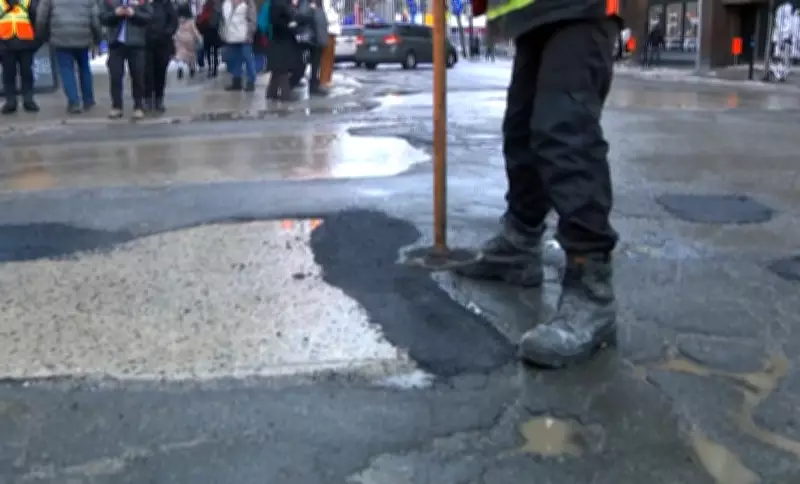
The City of Montreal has launched an innovative approach to tackle its persistent pothole problem by utilizing cold asphalt for repairs. This method, which involves applying a specialized mix that can be used in colder temperatures without heating, aims to provide a quicker and more efficient solution for filling road cavities across the urban landscape.
How Cold Asphalt Works in Urban Infrastructure
Cold asphalt is a pre-mixed material designed for immediate application, even in suboptimal weather conditions. Unlike traditional hot-mix asphalt, which requires high temperatures for proper installation, cold asphalt can be poured directly into potholes and compacted with minimal equipment. This allows city crews to address road damage rapidly, especially during the winter months when freezing and thawing cycles exacerbate pavement deterioration.
Montreal's public works department has emphasized that this technique enables repairs to be completed within an eight-day timeframe for targeted areas, reducing traffic disruptions and improving road safety. The material bonds effectively with existing pavement, creating a temporary seal that prevents water infiltration and further degradation.

Durability Concerns in Harsh Canadian Winters
While cold asphalt offers logistical advantages, questions remain about its long-term resilience. Critics argue that the material may not withstand Montreal's severe winter conditions as well as hot-mix alternatives, potentially leading to more frequent reapplications. Factors such as heavy vehicle traffic, freeze-thaw cycles, and salt usage for ice control could compromise the integrity of cold asphalt patches over time.
Proponents, however, highlight that modern formulations have improved significantly, with enhanced adhesive properties and flexibility. They contend that when applied correctly, cold asphalt can provide a durable fix that lasts through multiple seasons, offering a cost-effective alternative to more labor-intensive methods.
Comparative Analysis with Traditional Methods
Traditional hot-mix asphalt repairs involve heating the material to high temperatures before application, ensuring a strong bond with the road surface. This process typically requires specialized machinery and favorable weather conditions, which can delay repairs during colder months. In contrast, cold asphalt can be stored and used year-round, providing greater flexibility for municipal maintenance schedules.
Montreal's adoption of cold asphalt reflects a broader trend in Canadian municipalities seeking innovative solutions to infrastructure challenges. Cities like Toronto and Vancouver have also experimented with similar materials, though results have varied based on local climate and traffic patterns.
Future Implications for Urban Maintenance
The success of Montreal's cold asphalt initiative could influence road repair strategies across Canada. If proven effective, this approach may become a standard practice for addressing potholes in regions with similar climatic conditions. Ongoing monitoring and performance evaluations will be crucial to determine whether cold asphalt offers a sustainable long-term solution or merely a temporary stopgap.
As Montreal continues to test this method, residents and commuters will be watching closely to see if these repairs hold up against the city's notorious winter weather. The outcome may shape future investments in municipal infrastructure and inform best practices for urban road maintenance nationwide.