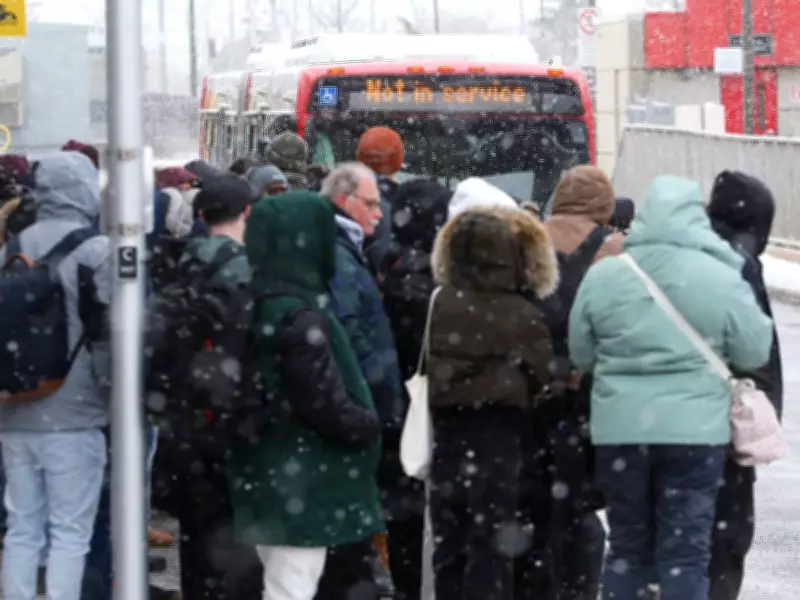
OC Transpo executives have announced a strategic pivot in their approach to returning the O-Train fleet to full operational capacity, moving away from gradual increases in available train cars to a comprehensive restoration effort. This shift comes as city councillors voice mounting frustration over the sluggish pace of repairs for a critical "spalling" issue that was first identified in January, impacting service reliability and passenger experience.
Strategic Shift in Fleet Restoration
Interim general manager Troy Charter revealed that OC Transpo has "shifted" its focus from incrementally boosting the number of operational train cars to a more aggressive strategy aimed at restoring the entire fleet. This new approach involves removing the 100,000-kilometre threshold that had previously limited which trains could be returned to service, allowing for a broader scope of repairs and faster recovery. Charter emphasized that this change is designed to "get the entire fleet back" into active duty, addressing long-standing service disruptions.
Understanding the Spalling Issue
The transit authority was forced to remove 41 train cars from service in January after the Rideau Transit Group discovered spalling in the cartridge bearing assemblies within the train axles. Spalling refers to the flaking or deterioration of surface material, which was detected during inspections related to a separate "fretting" issue that had previously caused a derailment in 2021. As a precaution, OC Transpo sidelined all trains with axles exceeding 100,000 kilometres for thorough inspection and necessary repairs.
Current Fleet Status and Service Impact
Following the removal of these trains, the O-Train fleet was reduced to just 18 available cars, forcing OC Transpo to implement a limited service schedule. During peak periods, the agency has been running single-car trains every three to four minutes to meet passenger demands and alleviate overcrowding at stations. Since mid-January, only three additional trains have rejoined the fleet, bringing the total to 21 available cars—a number that has remained stagnant in weekly updates to council and the media, fueling public and political discontent.
Frustration Over Slow Progress
Transit committee chair Coun. Glen Gower acknowledged the widespread frustration among councillors, riders, and media observers at the seemingly slow progress in fleet restoration. At the March 12 transit committee meeting, Gower stated, "I just want to acknowledge what we have all been hearing from customers, from councillors, from the media: It is frustrating to look at the number of trains week to week and not see that number change." He likened the situation to a "metaphorical duck" that appears calm on the surface but is working vigorously underneath, hinting at extensive behind-the-scenes efforts.
Repair Challenges and Timeline
Charter had initially estimated that Rideau Transit Maintenance could repair one train car approximately every five days. During a technical briefing on Jan. 27, staff detailed that each vehicle has 10 axles, with two cartridge bearing assemblies per axle. Charter noted that RTM has the capacity to replace two axles per day and confirmed an available inventory of 68 cartridge bearing assemblies. However, the complexity of the spalling repairs and the need for meticulous inspections have contributed to delays, leaving the fleet stuck at 21 cars and underscoring the challenges in restoring full service.