OC Transpo to Provide Update on O-Train Line 1 Spalling Issue
OC Transpo has announced it will deliver an update regarding the spalling issue impacting O-Train Line 1, a critical transit route in Ottawa. This development comes amid ongoing concerns over service reliability and passenger safety, as the spalling problem has led to frequent disruptions and maintenance challenges.
Background on the Spalling Problem
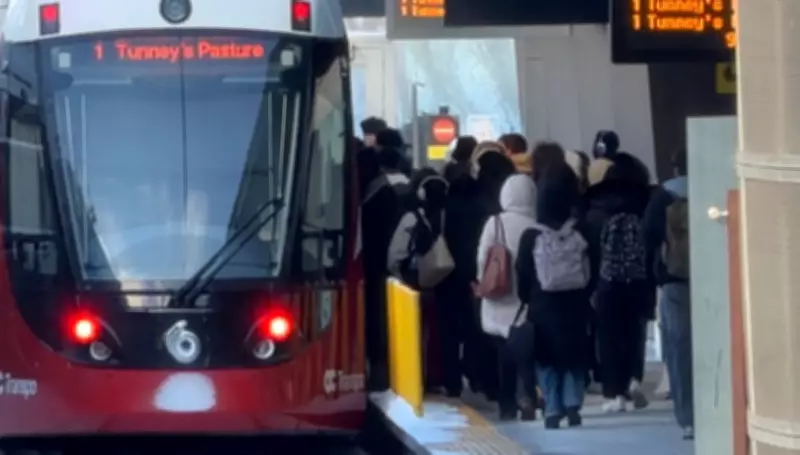
The spalling issue, which involves the deterioration of concrete on the train tracks, has been a persistent headache for OC Transpo and commuters alike. Instances of delays and temporary closures have been reported, particularly at key stations such as Lees Station, where crowds have been observed boarding trains for destinations like Tunney's Pasture. The problem not only affects daily travel but also raises questions about the long-term durability of the infrastructure.
OC Transpo officials have emphasized their commitment to addressing the issue promptly, with plans to outline steps for repairs and preventive measures. The update is expected to cover timelines for fixes, potential service adjustments, and strategies to minimize future occurrences.

Impact on Commuters and City Transit
For Ottawa residents, the spalling issue has translated into unpredictable commute times and increased frustration. Many rely on O-Train Line 1 for essential travel, and the disruptions have highlighted the need for robust transit solutions in the city. OC Transpo's response will be closely watched by stakeholders, including local government and community groups, who are calling for transparency and swift action.
In addition to the spalling update, OC Transpo may discuss broader initiatives to enhance transit efficiency, such as:
- Implementing advanced monitoring systems for track conditions.
- Increasing maintenance crews to handle emergencies.
- Engaging with experts in railway engineering for long-term solutions.
This situation underscores the importance of proactive infrastructure management in urban transit systems, especially as cities like Ottawa grow and demand for reliable public transportation rises.