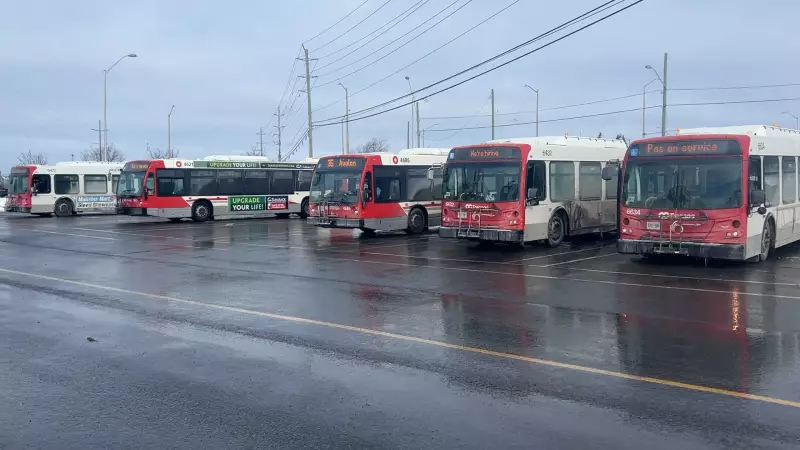
Ottawa's public transit system is grappling with a significant rise in undelivered bus trips, a problem officials attribute to ongoing maintenance challenges. This service disruption comes just days after riders began paying more to use the system.
Fare Increase Meets Service Decline
On January 1, 2026, the cost of a single ride on OC Transpo increased by 2.5 per cent. Merely two days later, on January 3, the transit authority was already contending with a growing number of bus trips that were not completed as scheduled. The timing has sparked frustration among commuters who are paying higher fares for what appears to be less reliable service.
Root Cause: Persistent Maintenance Issues
According to OC Transpo, the primary driver behind the spike in cancelled trips is a series of maintenance problems within the bus fleet. These issues have forced vehicles out of service unexpectedly, leaving gaps in the published schedules. While the specific mechanical failures were not detailed in the initial report, the cumulative effect has been a tangible reduction in service delivery for Ottawa residents.

The situation highlights the ongoing struggle to balance aging infrastructure and fleet reliability with the demand for consistent, affordable public transportation. Maintenance backlogs and parts shortages, common challenges for many transit agencies, are now directly impacting daily commutes in the nation's capital.
Impact on Riders and Next Steps
For daily users of OC Transpo, the unreliability means longer wait times, crowded buses on remaining routes, and potential delays getting to work, school, or appointments. The transit authority has acknowledged the issue and indicates that addressing the maintenance shortfall is now a critical priority.
Moving forward, riders will be watching closely to see if the additional revenue from the fare increase is directly funneled into improving fleet maintenance and reliability. The coming weeks will be a crucial test for OC Transpo's ability to restore consistent service and justify the higher cost to its customers.