Ottawa Must Prioritize Cyclist Safety Through Improved Urban Planning
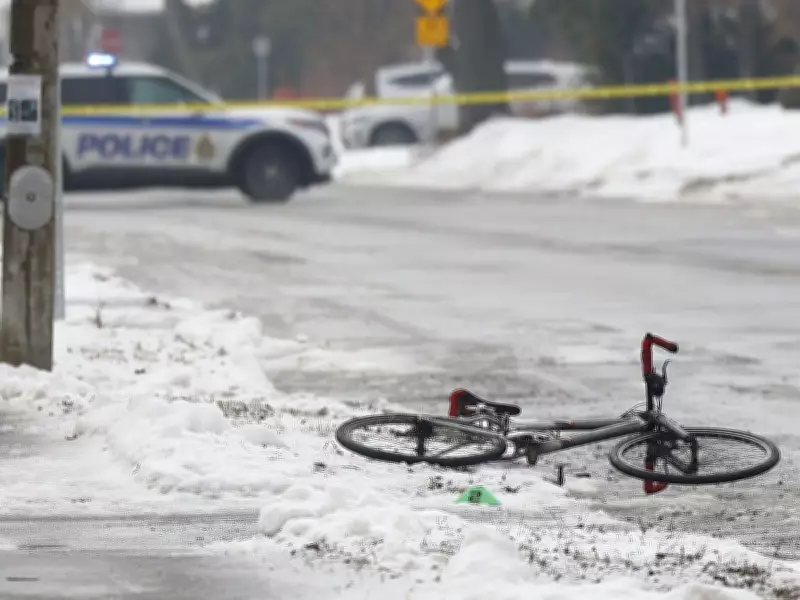
A recent tragic incident where a cyclist was struck by a vehicle on Haig Drive in Ottawa has reignited urgent conversations about the city's need for better infrastructure and planning to protect vulnerable road users. The Ottawa Police Service investigated the collision on Thursday, March 26, highlighting ongoing safety concerns in the capital.
Personal Account from a Former Crossing Guard
Doug Miller of Manotick, who served as a crossing guard in Barrhaven from 2018 to 2021, shared his poignant reflections after reading the obituary of Peter Clark, a Barrhaven crossing guard who was killed, and a letter from fellow guard Mariia Dias. Miller worked at the very intersection where Clark lost his life—the Kennevale and Cedarview stop.
"Cedarview Road can be described as more like a race track," Miller recalled, noting that despite stop signs on both sides of this east-west road, many drivers simply rolled through without stopping. His experiences included navigating treacherous snowbanks in -25°C winter conditions and enduring cutting wind chills while performing his duties.

Disturbing Encounters with Drivers
Miller expressed disbelief at the "jaw-dropping remarks" described by Dias, questioning what kind of society tolerates such behavior. He recounted a particularly hurtful comment from a driver who stopped mid-road to tell him, "You guys are a waste of taxpayer's money." This incident has stayed with him for five years, underscoring the lack of respect some motorists show toward safety personnel.
However, Miller also highlighted positive interactions, including a man who waved at him every morning and a mother whose daughter would run to give him hugs. These moments of kindness contrasted sharply with the prevalent rush and aggression he observed.
Critical Observations and Pleas for Change
Based on his time as a crossing guard, Miller offered several crucial observations for drivers:
- Slow down: Everyone seems to be in a hurry, leading to dangerous behaviors.
- Put away cellphones: He lost count of how many drivers he saw staring at their phones instead of the road.
- Practice kindness: Emphasizing a value from Clark's obituary, Miller urged drivers to adopt a more compassionate approach on the roads.
"Let's not let Peter Clark's passing be in vain," Miller pleaded, extending his sincere condolences to Clark's family and calling for systemic improvements to prevent further tragedies.
Broader Transportation Concerns in Ottawa
The letter also touched on other transportation issues, including criticism of the Glebe bus lane, which some residents argue is unnecessary and exacerbates congestion. Concerns were raised about vehicles backing up during rush hours and buses being delayed by bicycles, scooters, and shortages of buses and mechanics, particularly after the Bank Street bridge was narrowed for cyclists.
This points to a larger need for cohesive urban planning that balances the needs of all road users—cyclists, pedestrians, public transit riders, and motorists—without compromising safety or efficiency.
A Call to Action for City Planners
The heartfelt account from Miller serves as a powerful reminder that Ottawa's current infrastructure often fails those it should protect. From dangerous intersections to inadequate cycling lanes, the city must invest in thoughtful design and enforcement to create safer streets. As Ottawa grows, prioritizing cyclist and pedestrian safety through improved city planning is not just an option but a necessity to foster a kinder, more responsible community.