Newly released data from the City of Ottawa paints a stark picture of changing driver behaviour on the capital's roads. Since the removal of photo radar cameras, compliance with posted speed limits has seen a dramatic and concerning drop.
The Data Shows a Clear Trend
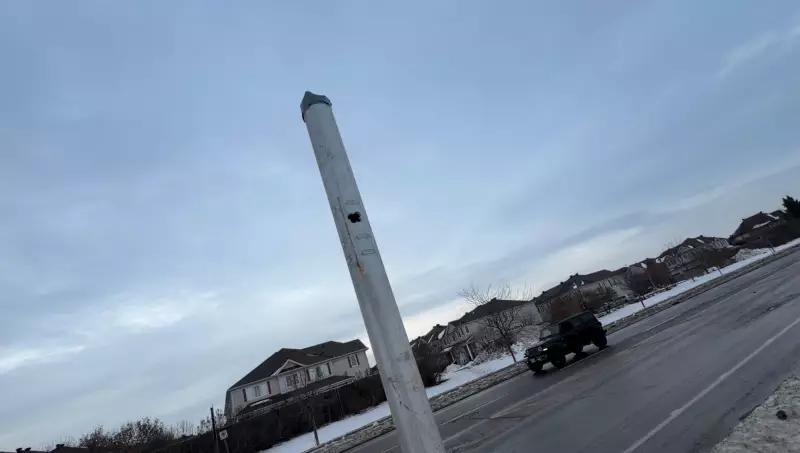
The statistics, current as of January 14, 2026, indicate a direct correlation between the deactivation of automated speed enforcement and an increase in speeding. The program, which utilized camera-equipped poles at known high-risk locations, was scrapped, leaving many of these poles standing but empty. City officials have been monitoring traffic patterns closely, and the numbers confirm a significant reversal of the positive trends seen while the cameras were operational.
Implications for Road Safety
This decline in speed compliance raises immediate questions about public safety. Photo radar was initially implemented as a tool to modify driver behaviour in areas with a history of collisions or where community speeding complaints were high. The proven effectiveness of such automated enforcement in reducing speeds and, consequently, the severity of accidents is well-documented in traffic safety studies. The new Ottawa data suggests that without the constant, automated presence of the cameras, a substantial number of drivers have reverted to exceeding the limits.

The visual of now-vacant camera poles serves as a potent symbol of the policy shift. While the physical infrastructure remains, the deterrent effect has largely vanished. Traffic safety advocates are likely to point to this data as evidence of the program's value, while critics of photo radar may focus on other factors or question the long-term behavioural impact of such systems.
What Comes Next for Ottawa's Streets?
The situation places renewed focus on the city's broader traffic calming and road safety strategy. With one automated tool removed, authorities may need to rely more heavily on traditional police enforcement, engineering changes to road design, or public awareness campaigns to address speeding. The data provides a clear, quantitative baseline from which to measure the effectiveness of any future initiatives.
For Ottawa residents, the takeaway is clear: the roads have become faster. The onus is now on both drivers to exercise greater personal responsibility and on the city to find effective solutions to ensure the safety of all road users. The coming months will be critical in determining how this trend evolves and what measures, if any, will be taken to counter it.