Surrey's Impending Population Milestone Ignites Airport Discussion
Surrey is on track to surpass Vancouver as British Columbia's most populous city within the next decade, a demographic shift that has sparked a contentious debate about whether the growing municipality requires its own airport. While Vancouver lacks an airport within its city limits, neighboring communities like Abbotsford, Langley, and Delta all host aviation facilities, raising questions about Surrey's transportation needs.
Business Community Advocates for Improved Air Access
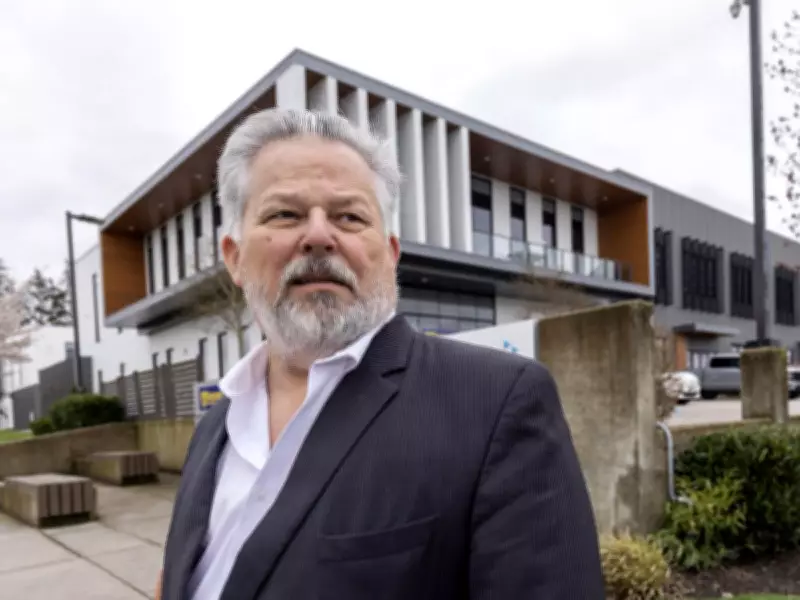
Scott Wheatley, executive director of the Cloverdale district chamber of commerce, recently posed the question of an airport for Surrey during a business lunch featuring B.C. Transportation Minister Mike Farnworth as a guest speaker. Wheatley explained that his inquiry was driven by feedback from local business owners who seek better air access to Campbell Heights, the Lower Mainland's largest industrial area.
"I never really expected any kind of response," Wheatley admitted, but his simple question quickly gained traction online. Proponents argue that Surrey needs its own airport to keep pace with rapid growth, while others note the city is already served by nearby airports in Langley, Boundary Bay, Abbotsford, and Vancouver.

Modest Proposal Focused on Local Business Needs
Wheatley plans to discuss the idea with Surrey City Hall and South Surrey MP Ernie Klassen before potentially making a formal pitch to Minister Farnworth. He emphasized that his vision is quite modest, primarily aimed at serving local business interests rather than large-scale commercial aviation. Historically, Surrey had a small private airport, but like Vancouver, it currently lacks an airport within city limits. As urban expansion continues, finding sufficient land for an airport becomes increasingly challenging.
Farmland Preservation Concerns Emerge
The discussion has raised alarms among agricultural advocates, particularly regarding a 1.2-square-kilometer field in Campbell Heights that was once a federal government radar site. Farmer Tyler Heppell, whose family leases the land to grow potatoes and vegetables, posted a TikTok video expressing his opposition to using farmland for an airport.
"We're talking about developing our farmland that feeds all of Vancouver for two to three weeks a year at a time when basically no other fields are producing food," Heppell stated. "Protecting farmland shouldn't be this difficult." He has spent four years advocating to keep the field in agricultural production, highlighting the tension between urban development and food security.
Government Response and Jurisdictional Hurdles
At the business event, Minister Farnworth appeared to take Wheatley's question seriously, noting that airports fall under federal jurisdiction. As reported by the Surrey Now-Leader, Farnworth said, "It would need to be a case of the province working with the federal government to say 'Hey, we think there's an opportunity here for an airport.'" He invited Wheatley to submit detailed proposals regarding location, size, and other specifics to advance the discussion.
Long-Term Vision Amidst Growth Challenges
Wheatley acknowledged that an airport might not be Surrey's top priority but suggested it could become a reality within the next 20 years as the city's population and economic demands escalate. The debate encapsulates broader issues of urban planning, transportation infrastructure, and environmental stewardship, with stakeholders weighing the benefits of enhanced connectivity against the preservation of vital agricultural resources.
As Surrey continues its trajectory toward becoming B.C.'s largest city, the conversation around an airport serves as a microcosm of the challenges and opportunities inherent in managing rapid urban growth while balancing community needs and sustainable development.