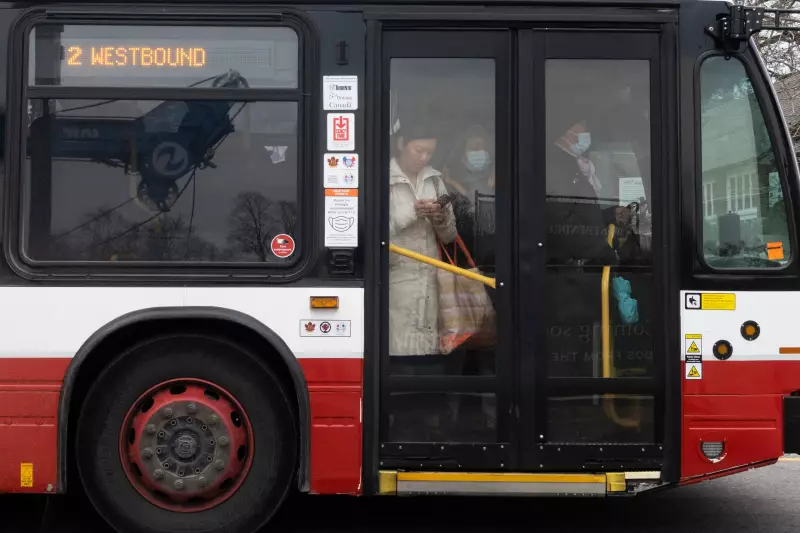
TTC Launches Pilot Program for Cutting-Edge Bus Safety Technologies
The Toronto Transit Commission (TTC) has initiated a significant pilot program to test and deploy new technologies designed to enhance the safety of its bus operations. This proactive move aims to address growing concerns about transit safety and improve the overall reliability of Toronto's public transportation system.
Advanced Safety Systems Under Evaluation
The pilot program incorporates multiple innovative safety features that represent a substantial upgrade to the TTC's existing bus fleet. These technologies include:
- Collision avoidance systems that use sensors and cameras to detect pedestrians, cyclists, and other vehicles in the bus's path
- Automatic emergency braking that can intervene when potential collisions are detected
- Blind spot monitoring to alert drivers to objects in areas not visible through mirrors
- Driver fatigue detection systems that monitor operator alertness and provide warnings when needed
- Enhanced video surveillance with improved coverage and image quality for both interior and exterior monitoring
Addressing Urban Transit Challenges
Toronto's complex urban environment presents unique challenges for public transportation safety. The city's dense traffic patterns, diverse road users, and varying weather conditions create situations where advanced safety technologies can provide crucial support to bus operators. The TTC's initiative recognizes that traditional safety measures alone may not be sufficient to address the evolving demands of a growing metropolitan area.

"This pilot represents our commitment to leveraging technology to create safer transit experiences for everyone," explained a TTC spokesperson. "We're evaluating how these systems perform in real-world Toronto conditions to determine which solutions provide the greatest safety benefits for our passengers, operators, and the community."
Implementation Strategy and Timeline
The pilot program will roll out in phases across different TTC bus routes, with initial testing focused on high-traffic corridors and areas with historically higher incident rates. The evaluation period will extend through multiple seasons to assess how the technologies perform under various weather conditions, from summer heat to winter snow and ice.
Data collected during the pilot will inform decisions about broader implementation across the TTC's entire bus fleet. The commission has established specific metrics to evaluate each technology's effectiveness, including:
- Reduction in near-miss incidents
- Decrease in minor collisions
- Improvement in passenger and operator safety perceptions
- Operational reliability of the safety systems
- Cost-effectiveness of implementation and maintenance
Broader Implications for Public Transit
This initiative positions Toronto at the forefront of transit safety innovation among North American cities. As urban centers across Canada grapple with similar transportation challenges, the TTC's pilot program could establish valuable precedents for how public transit agencies integrate advanced safety technologies into their operations.
The program also aligns with broader municipal goals of improving sustainable transportation options. By enhancing bus safety, the TTC aims to increase public confidence in transit services, potentially encouraging more residents to choose public transportation over private vehicles, thereby reducing traffic congestion and environmental impacts.
As the pilot progresses, the TTC plans to share findings with other transit agencies and collaborate with technology developers to refine safety solutions for urban transportation environments. This collaborative approach reflects the growing recognition that transit safety requires continuous innovation and adaptation to changing urban landscapes.