A quiet but significant revolution is reshaping the streets of American cities. From Indianapolis to numerous other urban centres, municipal governments are systematically converting one-way streets back to their original two-way designs. This shift marks a major reversal of a mid-20th century traffic engineering trend and is driven by a modern desire for safer, more livable, and economically vibrant communities.
The Shift Away from Mid-Century Traffic Engineering
For decades, the dominant model in urban traffic planning favoured one-way streets. Engineers promoted them as a tool to move vehicle traffic more swiftly through downtown cores, reducing congestion and improving flow for commuters. This approach, however, often came at a cost to the neighbourhoods themselves. The high-speed, commuter-focused corridors could make streets feel hostile to pedestrians, cyclists, and local residents, effectively acting as barriers within communities and stifling street-level economic activity.
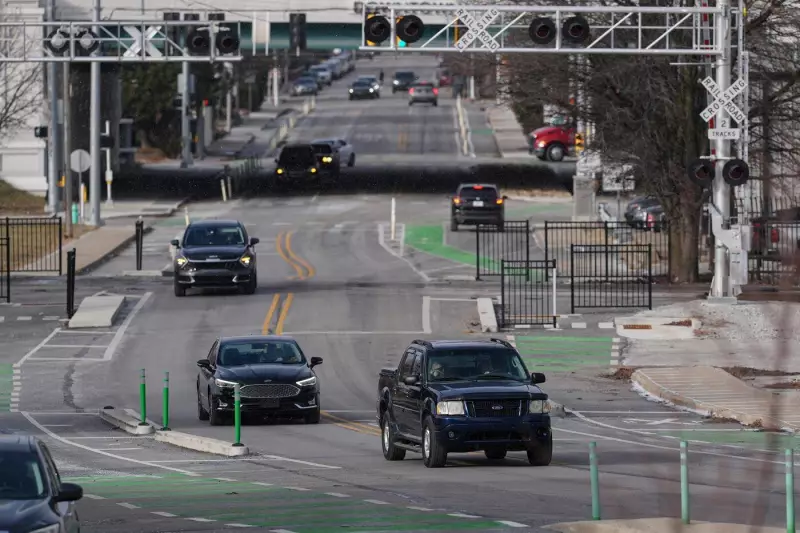
The recent conversion of Michigan Street in Indianapolis, captured in a photograph on Thursday, January 15, 2026, exemplifies this new direction. The change is part of a broader, data-driven reassessment of how street design impacts urban life. City planners are now prioritizing safety, accessibility, and local economic health over pure vehicular throughput.

Core Benefits Driving the Change
Several key benefits are fuelling this return to two-way street networks. Foremost among them is improved safety for all road users. Two-way streets naturally encourage lower vehicle speeds compared to wide, one-way thoroughfares. Slower traffic dramatically reduces the severity of collisions and creates a safer environment for people walking and biking. This aligns with the "Vision Zero" goals adopted by many cities, which aim to eliminate traffic fatalities and serious injuries.
Furthermore, two-way streets are proven to be better for local businesses. They improve accessibility and visibility for storefronts, making it easier for customers to find parking and navigate to their destination. The calmer traffic environment also makes sidewalks more inviting, encouraging foot traffic and spontaneous shopping. From an urban design perspective, restoring two-way flow helps to reconnect neighbourhoods that were once severed by fast-moving, one-way pairs, fostering a stronger sense of community and place.
A Broader Trend in Urban Revitalization
The movement in Indianapolis is not an isolated case. Cities like Louisville, Denver, and San Jose have undertaken similar conversions with positive results. The trend reflects a fundamental philosophical change in city planning: streets are no longer viewed merely as conduits for cars but as vital public spaces that serve multiple functions. They are essential for commerce, social interaction, and active transportation.
This reversion to two-way streets often accompanies other complete streets initiatives, which may include adding protected bike lanes, widening sidewalks, installing new crosswalks, and incorporating green infrastructure. The collective goal is to create a more balanced, equitable, and human-scaled transportation network. While these projects require upfront investment and can temporarily disrupt traffic patterns, the long-term benefits for safety, economic vitality, and quality of urban life are compelling cities to make the switch. This modern approach to street design signifies a mature understanding that efficient cities must be designed for people, not just vehicles.