Winnipeg Expands Polycarbonate Bus Shelter Panels After Successful Pilot Project
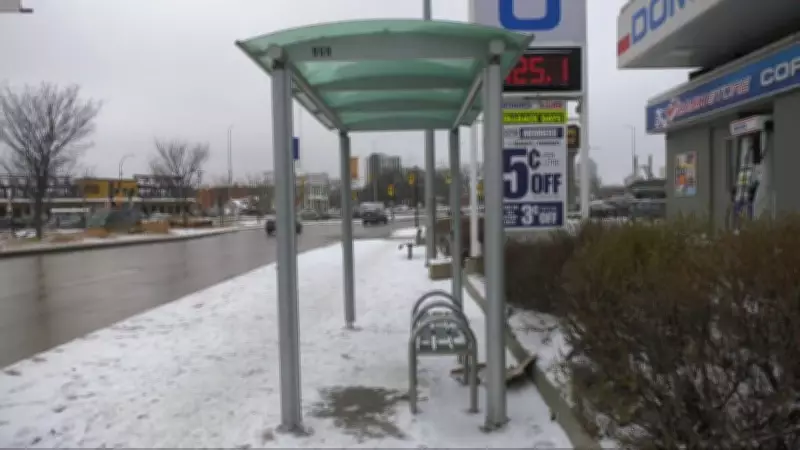
The City of Winnipeg is moving forward with a significant expansion of polycarbonate panels at bus shelters, building on the positive outcomes of an early pilot project. This initiative aims to improve the durability, safety, and maintenance efficiency of public transit infrastructure throughout the urban area.
Early Success Drives Expansion
Initial installations of polycarbonate panels, which began as a limited pilot, have demonstrated notable benefits over traditional glass. City officials report that these panels are more resistant to vandalism, weather-related damage, and accidental impacts, leading to reduced repair costs and fewer service disruptions for commuters. The pilot phase, which involved monitoring several shelters in high-traffic locations, showed a marked decrease in incidents of breakage and associated safety hazards.
Enhanced Safety and Cost-Effectiveness
Polycarbonate materials offer superior strength compared to glass, making them less prone to shattering and thereby enhancing passenger safety. This is particularly important in a city like Winnipeg, which experiences harsh winter conditions that can exacerbate wear and tear on public facilities. The transition to polycarbonate is expected to yield long-term savings by minimizing the need for frequent replacements and emergency repairs.

City transit authorities emphasize that this upgrade aligns with broader efforts to modernize and improve the reliability of Winnipeg's public transportation system. By investing in more resilient materials, the city aims to provide a safer and more comfortable waiting experience for daily riders, while also addressing ongoing challenges related to infrastructure maintenance.
Implementation and Future Plans
The expansion will involve installing polycarbonate panels at additional bus shelters across various neighborhoods, with priority given to areas that have historically seen higher rates of damage. The project is part of a phased approach, allowing for continuous assessment and adjustments based on performance data.
Key aspects of the implementation include:
- Gradual replacement of glass panels with polycarbonate alternatives
- Focus on shelters in transit hubs and high-usage corridors
- Ongoing evaluation of durability and cost-effectiveness
- Potential for further expansions based on community feedback and results
This move reflects a growing trend among municipalities to adopt innovative materials in public infrastructure to enhance sustainability and user safety. Winnipeg's proactive approach serves as a model for other cities facing similar transit maintenance challenges.