Security Shortage Hits World Cup Opening Weekend
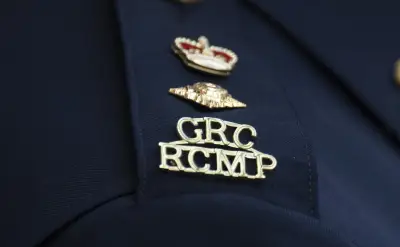
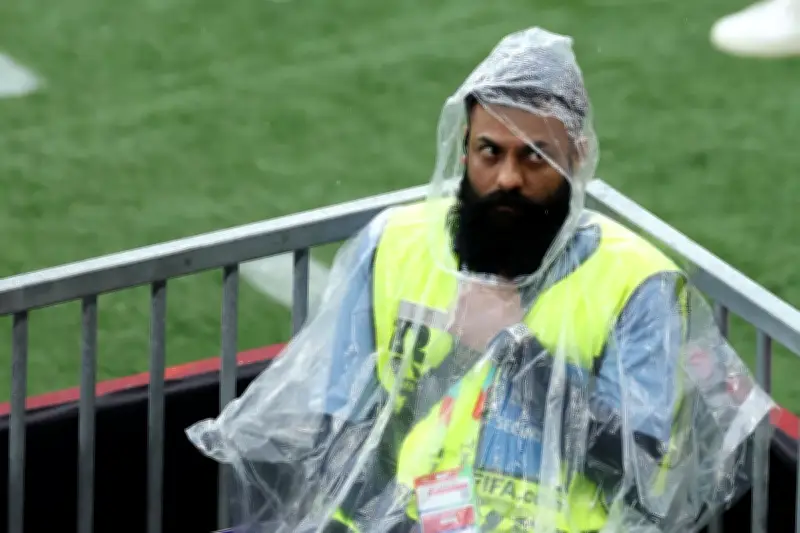
The City of Toronto faced a major security crisis during the first weekend of the World Cup as more than 100 private security guards failed to report for duty, leaving police to fill the gap at significant overtime expense.
Sources told the Toronto Sun that guards employed by the city's contractor, Star Security, did not show up en masse during the tournament's opening weekend, which included a high-profile match featuring Canada on June 12.
An insider involved with FIFA planning stated, "The city went with the lowest bidder and got what they paid for." The source spoke on condition of anonymity to discuss the matter candidly.

Low Pay Blamed for Staffing Failures
Industry insiders had previously warned the Sun that Star Security might struggle to meet its obligations due to low wages, with hourly pay advertised as low as $18. Toronto Police stepped in, and the city has since hired additional companies to cover the shortfall.
While city hall and the Toronto Police Service confirmed staff were redeployed during the first weekend, both downplayed the risk of significant cost overruns from officer overtime. However, the Sun learned that during a debriefing with TPS, city officials allegedly requested that police overtime costs be omitted from the meeting minutes. Neither the city nor TPS confirmed this allegation.
City's Budget and Response
Initially, the city stated it was on track with its $380-million World Cup budget. After the security issues, Sharon Bollenbach, executive director of the city's World Cup secretariat, said, "After the first few days, we added some staff to improve entry times and support a safe environment."
Toronto Police emphasized they did not alter their overall staffing plan but adjusted deployment where necessary. Hamilton-based Star Security did not respond to requests for comment.
Industry Concerns and Past Disputes
Star Security previously faced a labour dispute with the United Food and Commercial Workers Canada Local 1006A over treatment of guards as independent contractors. The union warned that under-qualified companies were winning major contracts.
Despite this, a senior industry official described Star as "probably the most experienced special event provider in the city." The expert speculated that Star may have overstaffed for the first weekend, but factors such as venue unfamiliarity, FIFA transportation restrictions, alcohol consumption, and temporary hires contributed to the no-shows.
Typically, 2% to 5% of security staff might no-show an event, but the 100-plus absences at the World Cup are unusually high.