As Toronto gears up to host the FIFA World Cup, experts are warning that the city's notorious traffic congestion could reach unprecedented levels. 'It's not going to be business as usual,' said one transportation analyst, emphasizing the need for aggressive measures to manage the influx of fans and visitors.
TTC Prepares for World Cup Surge
CP24's Courtney Heels reported on the preparations the TTC is making for the event. The transit agency is planning to increase service frequency, extend operating hours, and deploy additional staff to key stations. However, experts argue that these steps may not be enough. 'The TTC is already strained during peak hours,' noted another expert. 'Adding hundreds of thousands of World Cup attendees will require a coordinated effort across all modes of transportation.'
Economic and Infrastructure Challenges
The World Cup presents both opportunities and challenges for Toronto. While the event is expected to boost the local economy, the strain on infrastructure could be severe. 'We need to think about temporary solutions like dedicated shuttle services, expanded bike lanes, and even water taxis,' suggested an urban planner. The city is also exploring the use of real-time traffic management systems to optimize traffic flow.

Residents are bracing for the impact. 'I'm worried about getting to work on time,' said a downtown commuter. 'If the World Cup makes things worse, it could be a nightmare.'
Broader Context: Toronto's Congestion Crisis
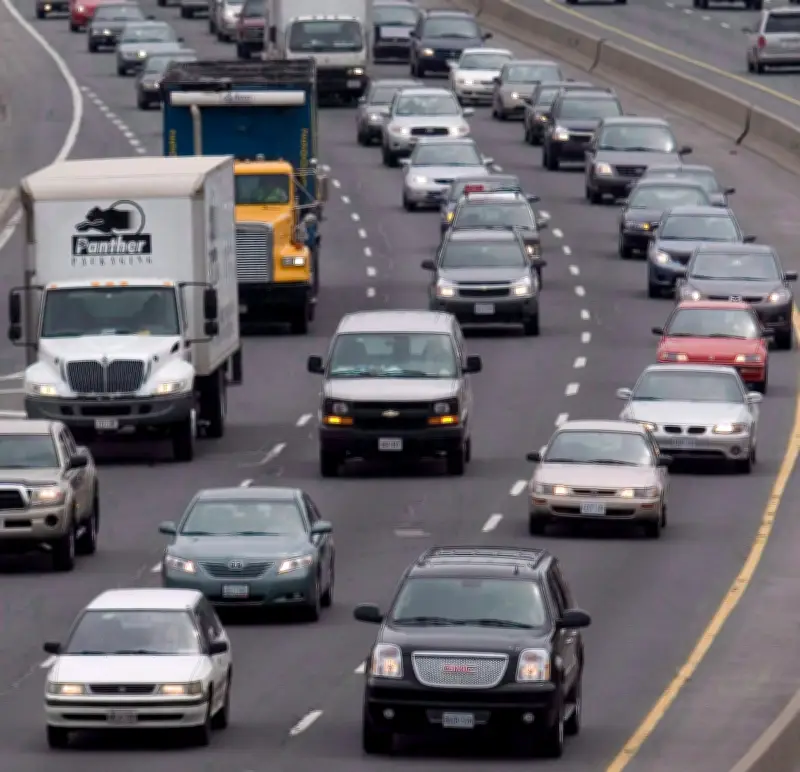
Toronto's traffic woes are not new. A recent report ranked the city as having the worst congestion in North America, with drivers spending an average of 118 hours per year in traffic. The World Cup, set to take place in 2026, could exacerbate this problem. 'This is a wake-up call,' said a city councilor. 'We need to invest in transit now, not just for the World Cup but for the long-term livability of our city.'
Experts are calling for a multi-pronged approach, including encouraging remote work, promoting off-peak travel, and enhancing pedestrian and cycling infrastructure. 'The World Cup is a massive event, but it's also an opportunity to rethink how we move around the city,' concluded a transportation researcher.