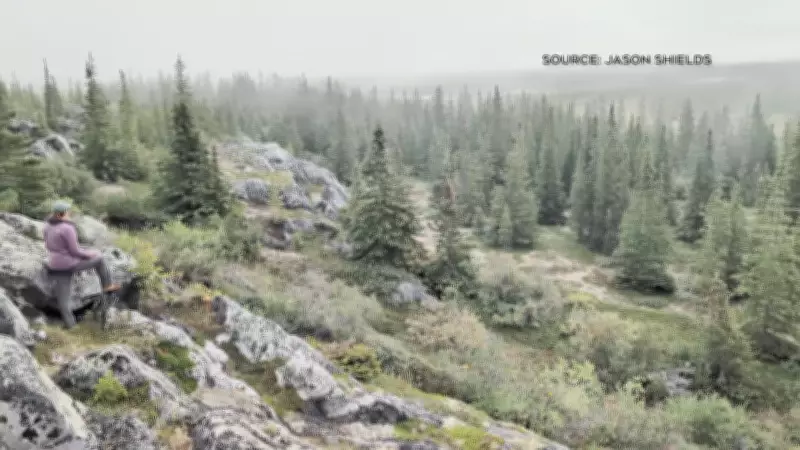
Churchill Researchers Launch Archaeology Project to Connect Indigenous Youth with Heritage
In a groundbreaking effort to bridge generational gaps and cultural knowledge, researchers in Churchill, Manitoba, are spearheading a First Nations history education project that leverages archaeology to connect Indigenous youth with their ancestral past. This initiative aims to provide a tangible link to heritage through hands-on exploration and learning.
Fostering Cultural Identity Through Hands-On Learning
The project, based in the northern community of Churchill, focuses on engaging Indigenous youth in archaeological activities that uncover and interpret historical sites. By involving young people in the excavation and study of artifacts, the program seeks to deepen their understanding of their cultural roots and traditions. Researchers emphasize that this approach not only educates but also empowers participants by giving them a direct role in preserving their history.
Key objectives include:

- Enhancing educational outcomes through experiential learning in archaeology.
- Strengthening cultural identity and pride among Indigenous youth.
- Promoting community involvement and intergenerational knowledge transfer.
Addressing Historical Disconnect and Educational Gaps
This initiative comes at a time when many Indigenous communities face challenges related to cultural preservation and youth engagement. By integrating archaeology into the curriculum, the project addresses historical disconnects and provides a meaningful context for learning that resonates with students' backgrounds. Researchers note that such programs can help counteract the erosion of traditional knowledge and foster a sense of belonging.
"Connecting youth with their past through archaeology is more than just an academic exercise; it's a way to heal and build resilience," said one of the project leads. The effort aligns with broader goals of reconciliation and education reform, aiming to create inclusive learning environments that honor Indigenous perspectives.
Community Impact and Future Prospects
The project has already garnered support from local First Nations groups and educational institutions, highlighting its potential for positive community impact. Plans are underway to expand the program to include more youth and incorporate digital tools for virtual archaeology experiences, making it accessible to remote areas. Researchers hope this model can inspire similar initiatives across Canada, contributing to a nationwide movement toward culturally responsive education.
As the project progresses, it will continue to monitor outcomes such as improved student engagement and cultural awareness. By linking land, history, and youth, this archaeology-based education project in Churchill represents a innovative step toward empowering the next generation of Indigenous leaders and knowledge-keepers.