Baboon Siblings Display Human-Like Jealousy in New Scientific Findings
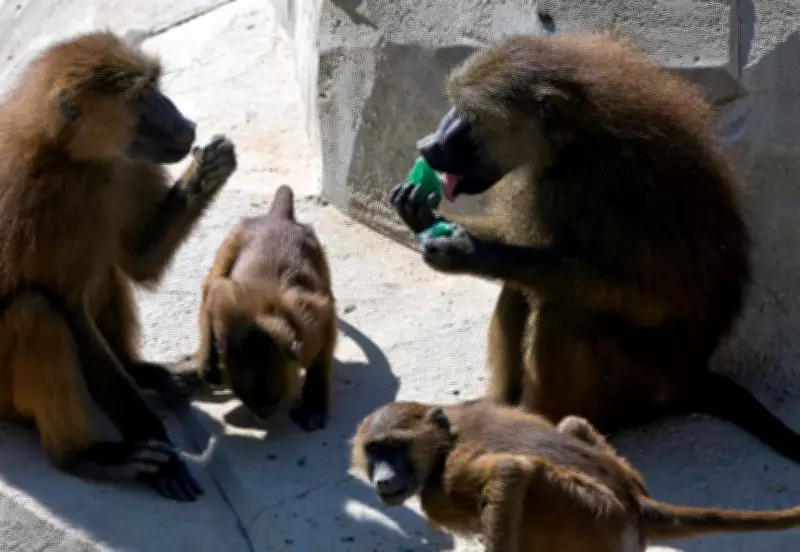
In a fascinating development for primatology and behavioral science, researchers have documented that baboon siblings exhibit jealousy in ways strikingly similar to human children. This discovery, reported by the Sci-Tech News Service and based on AFP coverage, provides compelling evidence about the emotional complexity of non-human primates.
Understanding Primate Social Dynamics
The study reveals that baboon siblings demonstrate clear signs of jealousy when attention or resources are directed toward their brothers or sisters. This behavior mirrors patterns commonly observed in human families, where children often compete for parental attention and resources. Scientists note that this emotional response appears deeply ingrained in baboon social structures, suggesting evolutionary roots shared with humans.
Researchers observed that jealousy manifests through specific behaviors including vocalizations, physical positioning, and attention-seeking actions. These responses occur when one sibling receives preferential treatment or resources from parents or other group members. The consistency of these reactions across multiple baboon families indicates this is not random behavior but a structured emotional response.

Implications for Understanding Emotional Evolution
This research contributes significantly to ongoing debates about the origins of human emotions. By demonstrating that complex social emotions like jealousy exist in our primate relatives, scientists gain valuable insights into how such traits might have evolved. The findings suggest that jealousy may serve important social functions in group-living species, potentially helping individuals secure necessary resources and attention for survival.
The study methodology involved careful observation of baboon families in naturalistic settings, allowing researchers to document interactions without artificial interference. This approach provides particularly valuable data about spontaneous emotional expressions in non-human primates.
Broader Scientific Context
This discovery adds to a growing body of research demonstrating sophisticated emotional lives in animals. Previous studies have shown various primates exhibit empathy, grief, and complex social bonds. The jealousy findings specifically help scientists understand:
- How sibling relationships function in primate societies
- The evolutionary advantages of emotional complexity
- Potential parallels between human and primate social development
- The neurological basis of social emotions across species
Researchers emphasize that understanding these emotional capacities in our closest animal relatives helps illuminate the biological foundations of human social behavior. The study also raises intriguing questions about how different primate species manage sibling competition and what strategies evolve to maintain group harmony despite these tensions.
As scientific investigation continues, these findings about baboon sibling jealousy open new avenues for research into animal cognition, emotional intelligence, and the evolutionary pathways that have shaped social behavior across species.