The Real Work for Gender Equality Happens Between Celebrations
Every International Women's Day brings a familiar rhythm of speeches, panel discussions, and public recognition celebrating the accomplishments of women leaders. This annual tradition serves an important purpose in highlighting progress and acknowledging contributions across politics, civil society, and public life. However, as the celebrations fade, a more challenging reality persists: our political institutions continue to fall significantly short of achieving genuine gender parity.
The Persistent Gap in Political Representation
Despite decades of advancement in gender equality, the landscape of political leadership remains strikingly uneven, particularly within municipal governance structures. Across Canada, women currently hold just 31 percent of municipal elected positions, a figure that remains well below parity. Even more concerning, approximately 16 percent of municipal councils nationwide do not include a single woman among their elected representatives.
The situation in Calgary reflects this national pattern of imbalance. During the most recent municipal election, only 28 percent of candidates identified as women. Of the fifteen members ultimately elected to Calgary City Council, merely two are women, creating a council composition that fails to reflect the gender diversity of the community it serves.

Structural Barriers, Not Talent Deficits
These persistent gender gaps do not stem from any shortage of talent, expertise, or commitment among women. Rather, they reveal deeper systemic issues: the pathways into public leadership continue to be shaped by long-standing structural barriers that disproportionately affect women's political participation.
While election day represents the visible culmination of political campaigns, the foundations of political leadership are established much earlier in the process. By the time a candidate's name appears on a ballot, numerous factors have already influenced who enters public life. Barriers emerge well before campaign launches—in unequal opportunities to build political confidence, in disparate access to mentorship and professional networks, and in whether women see leaders who reflect their own lived experiences and identities.
Intersectional Challenges in Political Participation
Importantly, these barriers are not experienced uniformly across all women. Those who are racialized, Indigenous, newcomers, or from low-income backgrounds face additional, compounded obstacles when attempting to enter positions of political leadership. This intersectional reality—where multiple forms of discrimination overlap—often remains inadequately addressed even during highly visible events like International Women's Day.
This persistent challenge underscores why sustained efforts to strengthen leadership pipelines matter significantly more than annual celebrations alone. Meaningful progress requires year-round commitment to dismantling systemic barriers and creating accessible pathways into political leadership.
Building Concrete Pathways Forward
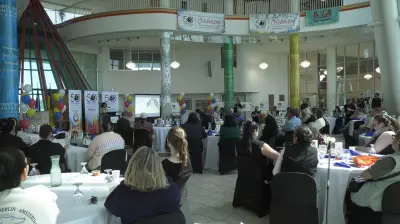
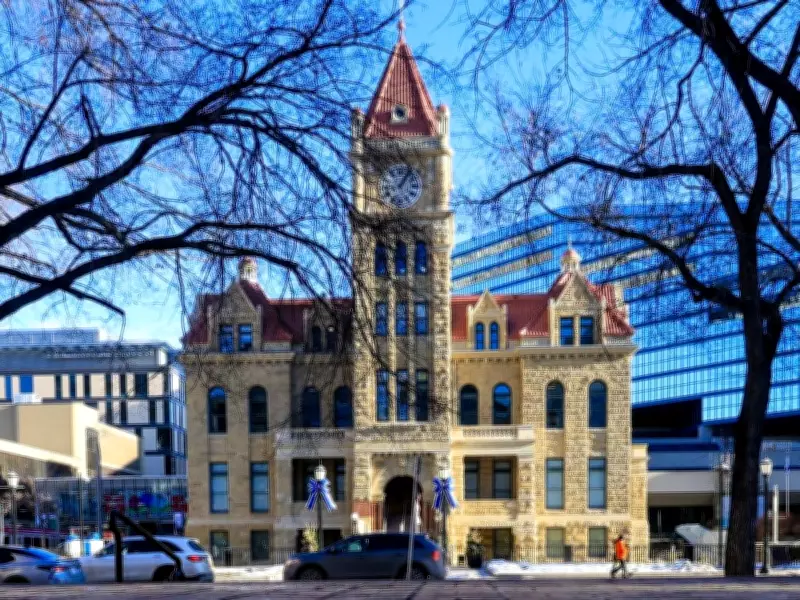
Practical initiatives are emerging to address these challenges directly. On March 13, Equal Voice Calgary is co-hosting the seventh annual She Governs Program in partnership with the City of Calgary. This program provides early, accessible exposure to municipal government operations, allowing participants to spend a full day at Calgary City Hall meeting elected officials, learning how municipal government functions, and engaging directly with the processes that shape urban policy and community development.
Such programs represent crucial interventions in the political pipeline, addressing barriers before they become insurmountable. By demystifying political processes and creating direct connections between potential leaders and existing governance structures, these initiatives help build the confidence, knowledge, and networks necessary for increased political participation.

The true measure of progress toward gender equality in politics will not be found in annual celebrations alone, but in the concrete actions taken throughout the year to dismantle barriers and build sustainable pathways for diverse women's leadership. As Calgary and communities across Canada look beyond International Women's Day, the focus must remain on creating political institutions that genuinely reflect and represent all citizens.