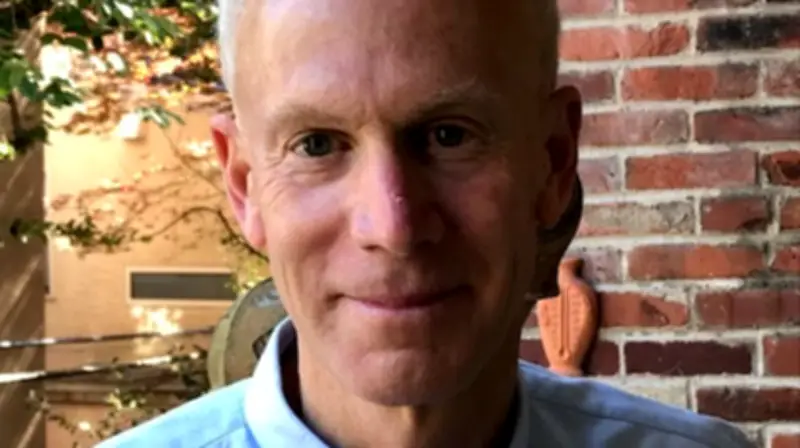
After more than 30 years practicing criminal law, Richard Shore decided to apply for an adjunct teaching position at a local university. He proposed a law and literature course, but all schools declined. Then the sociology department chair at one university offered him a course titled "Gender in America."
Shore, an older, cisgender, straight, white man who had spent decades representing mostly male offenders, initially thought the offer was a mistake. His friends agreed it seemed absurd. But the idea of learning something new appealed to him, so he accepted.
Preparing to Teach Gender
Shore spent an entire summer reading and outlining virtually every gender-related article he could find. He studied syllabi from gender courses across the country, selecting topics like "gender and power," "gender and the body," "Title IX and sexual discrimination," "social constructions of gender," "sexuality," and "gendered work and pay." He realized textbooks in this area became obsolete almost immediately.

Despite his preparation, Shore knew that even interesting topics can bore students. He was determined to show rather than tell. He came to understand that his experience as a criminal defense attorney would serve him well as a professor.
Building Trust in the Classroom
Shore recognized that trust, built on active listening and empathy, was crucial in both law and teaching. His class of 30 students consisted almost entirely of LGBTQ+ members. He aimed to create an open environment where everyone felt free to be vulnerable without fear of judgment.
On the first day, he asked students to anonymously write down what they would be most embarrassed or ashamed for others to know. Common responses included "I'm not attractive enough," "I'm not smart enough," and "I'm somehow different or awkward sexually." Shore pointed out that these shared vulnerabilities should not be so frightening, and that revealing ourselves can facilitate emotional connections.
Student Reactions and Transformations
During a discussion on gender identity, a student disclosed that he was transgender and had transitioned during high school. Other students listened attentively and offered support, with several sharing their own "coming out" stories. The classroom felt emotionally electric. Shore remembers thinking, "I was in awe of everyone's courage."
As the semester progressed, Shore lectured less and structured the course around discussions. He facilitated conversations without telling students what to think, gently steering the ship. The students responded with openness, speaking vulnerably about gender-related issues they avoided in other classes. The class became a safe haven.
Personal Impact on the Professor
Shore, raised in an upper-middle-class suburban neighborhood near Philadelphia, had limited connections to the LGBTQ+ community. Teaching the course was his first extended exposure. He was astonished by how his students embraced vulnerability and revealed sensitive aspects of their lives.
Seeing his students connect changed his perspective on friendship. He realized that bantering about sports, while safe and easy, creates only an illusion of connection. He became unwilling to spend evenings discussing football after witnessing his students' intimate conversations.
Applying Vulnerability to Personal Life
Shore learned that vulnerability is reciprocal. He began revealing personal aspects to friends—his relationship frustrations, career regrets, and the indignities of growing old. Some friends recoiled, but others welcomed deeper intimacy. His friend group became smaller but more valuable.
Shore concludes, "Narrow thinking and emotional timidity, not age, is the biggest obstacle to growth. Shared vulnerability is the path to grace."