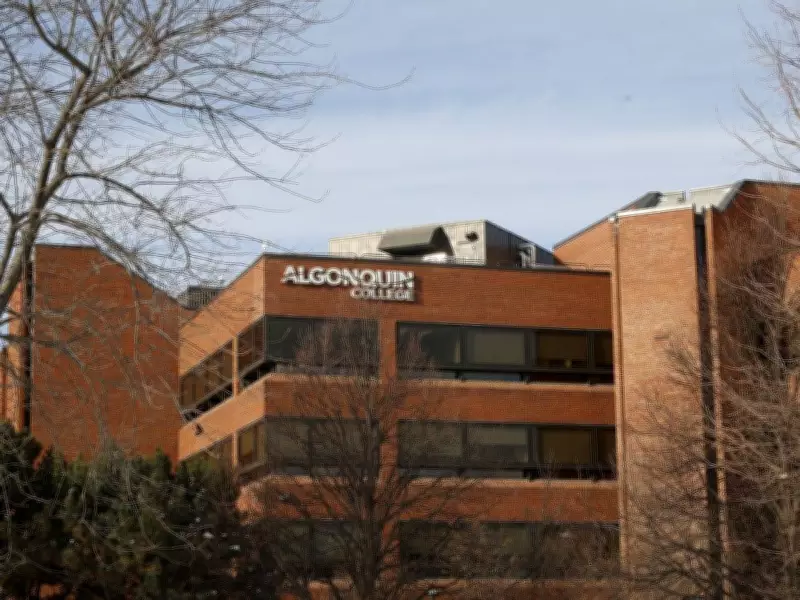
Algonquin College Board to Decide Fate of 30 Programs
Algonquin College's board of governors is scheduled to convene on March 2 to deliberate on the potential elimination of thirty academic programs. This critical meeting, expected to last approximately one hour, comes as the institution grapples with severe financial challenges that threaten its long-term sustainability.
Financial Pressures Mount at Ontario College
The college announced on January 22 that it had recommended cutting these programs as part of a strategic effort to refine its academic offerings while addressing a substantial budget shortfall. This marks the second consecutive year that Algonquin has proposed significant program reductions, following last year's elimination of thirty-seven active programs plus four dormant ones, along with the sale of its Perth campus.
Algonquin College currently faces a deficit of $27 million for this fiscal year, with projections indicating a potential $44 million shortfall for the 2026-27 academic period if no corrective measures are implemented. The proposed program cuts represent a crucial component of the college's mitigation strategy to restore financial stability.

Systemic Challenges in Ontario's Education Sector
The financial difficulties at Algonquin reflect broader systemic issues affecting colleges across Ontario. Institutions have been contending with a prolonged tuition freeze imposed by the provincial government, chronic underfunding, and recent changes to federal immigration policies that have impacted international student enrollment.
In November 2024, Algonquin projected that international student enrollment would fall short by 2,400 incoming students during the second quarter of the 2024-2025 academic year, against a target of 7,447 international students. This enrollment decline represents a significant revenue reduction for the college.
Tuition rates have remained frozen since 2018, when the provincial government implemented a 10 percent reduction, effectively locking tuition at 2015 price levels. This extended freeze has constrained revenue growth while operational costs have continued to rise.
Provincial Response and Ongoing Challenges
The decision regarding program cuts was originally scheduled for February 23 but was postponed to March 2 following the provincial government's announcement of increased funding for colleges and universities. The province committed $6.4 billion over four years and introduced an updated tuition framework that permits institutions to raise tuition by up to two percent annually for three years, after which increases would be capped at two percent or the three-year average inflation rate, whichever is lower.
Despite this provincial investment, Algonquin President and CEO Claude Brulé emphasized in a February 26 statement to staff that additional action remains necessary to address the college's financial situation. The provincial package also includes modifications to the financial aid system, where students will now receive a maximum of 25 percent of their Ontario Student Assistance Program funding as grants, with a minimum of 75 percent provided as loans.
Algonquin administration maintains that the program cut recommendations are essential for meeting evolving learner and industry demands while ensuring the institution's long-term viability. The college asserts that these difficult decisions will enable it to maintain educational quality and responsiveness to community needs despite challenging financial circumstances.