Fleming College in Peterborough, Ontario, is taking decisive action to combat a severe provincewide shortage of veterinary technicians (VTs) and registered veterinary technicians (RVTs). The institution has announced the launch of a groundbreaking new program set to begin next September, designed to immerse students in hands-on animal care from the very first day of classes.
Addressing a Critical Labor Market Need
According to Dr. Theresa Knott, Fleming's interim president, the decision to introduce this program was driven by extensive labor-market analysis. "Vet clinics across Ontario are in desperate need of veterinary technicians," she explains. "Additionally, for every seat currently offered in the province, there are six students trying to get in. That combination of labor-market demand and student interest made the case loud and clear."
A Fast-Track to Employment
The program is structured as a four-semester Ontario college diploma that runs consecutively, enabling students to graduate and enter the workforce rapidly. It will also prepare graduates to write the regulatory licensing exams administered by the Ontario Association of Veterinary Technicians.

Unique Learning Environment
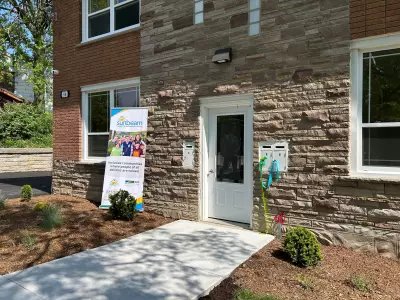
What truly sets Fleming's program apart is its delivery method and location. In a strategic partnership with the Peterborough Humane Society, students will complete their education on-site at a newly constructed, state-of-the-art animal care facility. This facility includes both a shelter and a veterinary clinic, offering a comprehensive range of services.
Nick Stone, associate vice president of Applied Health at Fleming College, emphasizes the immersive nature of the program. "From week one, students are fully immersed in what it's like to be a VT and RVT," he says. "They're not just learning about anatomy, physiology, husbandry, and animal handling in a classroom. They'll literally be able to walk down the hallway and apply that knowledge straight away."
Innovative Training Methodology
The curriculum emphasizes practical skills training through a sophisticated three-step simulation model:
- Students first practice procedures using advanced simulation tools.
- They then transition into controlled, real-world environments.
- Finally, they apply their skills in clinical settings under direct supervision.
Faculty will include experienced veterinary medicine physicians and registered veterinary technicians, mirroring the collaborative professional roles that graduates will assume in their future careers.
Incorporating Indigenous Perspectives
Another distinctive feature of the program is Fleming College's commitment to embedding Indigenous perspectives into the curriculum. "Every course will include elements of the interconnected relationship between animals, humans, and the land, through the lens of Indigenous ways of knowing and doing," notes Mr. Stone.
Diverse Practical Experience
Students will gain invaluable hands-on experience through placements in a variety of settings, including:
- Veterinary clinics and animal hospitals
- Zoos and wildlife rehabilitation centers
- Large-animal environments
Future Educational Pathways
Dr. Knott highlights that the new veterinary technician program "opens the door for Fleming to start offering a host of continuing education courses related to animal care." She adds that it will also lead to the formalization of a pathway for students to pursue a Doctor of Veterinary Medicine (DVM) credential, further expanding career opportunities in the field.
This initiative represents a significant step forward in addressing Ontario's veterinary technician shortage while providing students with an innovative, practical, and culturally inclusive education.