Ontario's Kindergarten Curriculum Receives Major Boost with Early French Immersion Focus
The Ontario government is rolling out substantial enhancements to its kindergarten curriculum, with a particular emphasis on expanding early French immersion opportunities for the province's youngest learners. This initiative represents a significant investment in early childhood education, aiming to provide children with foundational language skills from the very beginning of their academic journeys.
French Immersion Starting in Kindergarten
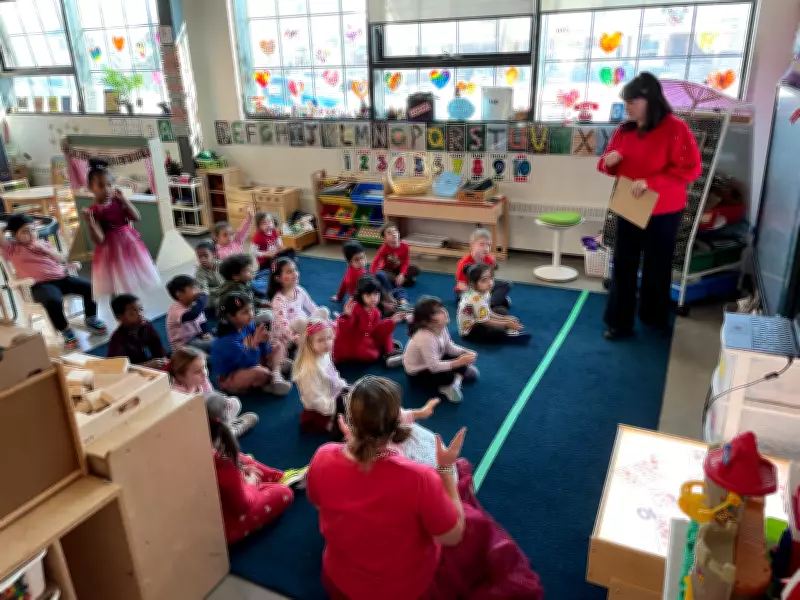
At the forefront of this educational advancement is James L. Dunn Elementary School in Windsor, Ontario, which now offers French immersion programs beginning at the kindergarten level. This early introduction to bilingual education allows children to develop language proficiency during their most formative years, when cognitive flexibility and language acquisition capabilities are at their peak.
The curriculum enhancements go beyond language instruction, incorporating updated pedagogical approaches that align with contemporary educational research about how young children learn most effectively. Educators are receiving specialized training to implement these new methods, ensuring that the theoretical improvements translate into practical classroom benefits.

Comprehensive Educational Improvements
While French immersion represents a prominent component of the upgraded curriculum, the changes encompass multiple dimensions of early childhood education:
- Enhanced literacy development through structured phonics instruction and expanded reading materials
- Numeracy foundations that introduce mathematical concepts through play-based learning
- Social-emotional learning components that help children develop interpersonal skills and emotional regulation
- Cultural awareness elements that expose students to diverse perspectives and traditions
These comprehensive improvements reflect Ontario's commitment to preparing its youngest students for success in an increasingly interconnected world. Research consistently demonstrates that early childhood education quality correlates strongly with long-term academic achievement and social development outcomes.
Implementation and Future Outlook
The curriculum upgrades are being implemented gradually across the province, with pilot programs like the one at James L. Dunn Elementary serving as models for broader adoption. Educational administrators report positive initial feedback from both teachers and parents, noting increased engagement from students and growing interest in early French immersion enrollment.
Looking forward, education officials anticipate that these kindergarten enhancements will create a stronger foundation for subsequent grade levels, potentially reducing achievement gaps and improving educational equity across Ontario's diverse student population. The emphasis on bilingualism from an early age aligns with Canada's official language policies and prepares students for participation in both national and global contexts.
The provincial government has allocated additional resources to support these curriculum changes, including funding for specialized teaching materials, professional development for educators, and assessment tools to monitor program effectiveness. This represents a significant investment in Ontario's educational future, recognizing that early childhood represents a critical window for establishing lifelong learning patterns and capabilities.